Sumitomo Pharma Submits Application for Japanese Approval of Stem Cell Therapy to Enhance Motor Function in Parkinson’s Disease

Sumitomo Pharma and RACTHERA seek approval for a novel iPS cell-based therapy targeting motor symptoms in advanced Parkinson’s.

Sumitomo Pharma and RACTHERA have submitted an application to Japan’s Ministry of Health for market authorization of its stem cell-derived therapy for Parkinson’s, Raguneprocel. 

What’s Raguneprocel, and how’s it being used?  

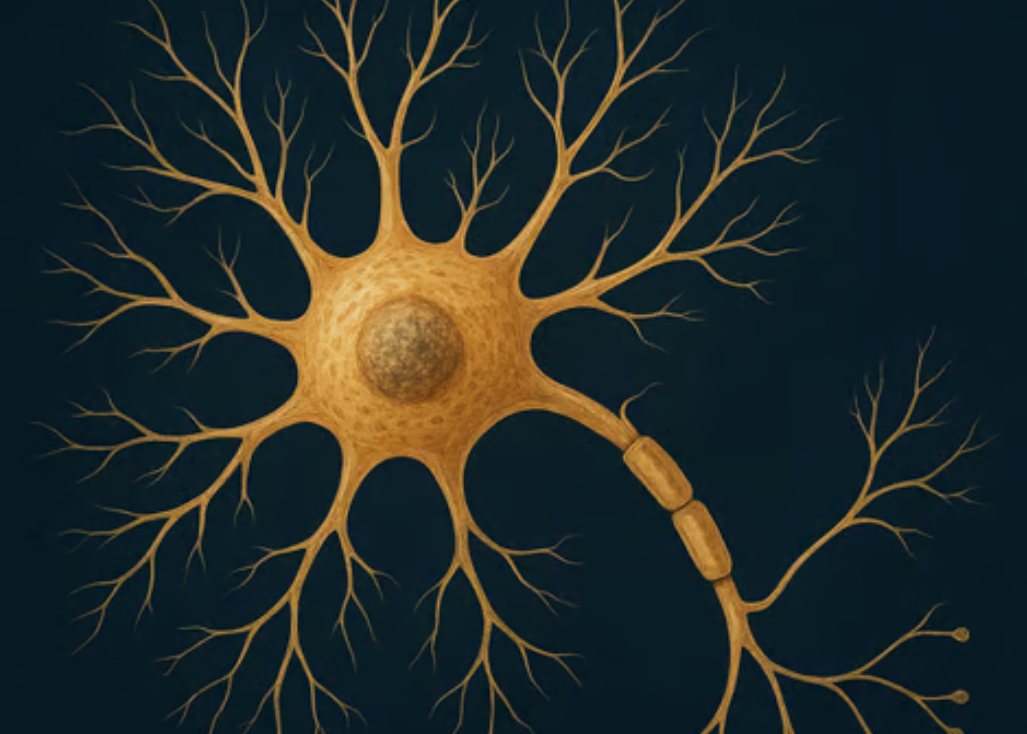
Raguneprocel consists of induced pluripotent stem cell (iPSC)-derived dopaminergic neural progenitor cells (neural progenitors are immature cells that have not yet become dopamine-producing neurons). Dopamine is a key neurotransmitter in motor control, and the lack thereof is a hallmark of Parkinson’s disease, hence the shaking/inability to control movement. 

Sumitomo Pharma, amongst many others, is hoping that transplanting its stem cell therapy can regenerate those dopamine-producing neurons. 

Raguneprocel has through safety/efficacy Phase 1/2 trials at Kyoto University Hospital, which showed good safety and efficacy; you can read the published results in Nature here

If approved, the product will be marketed by Sumitomo Pharma and produced by its CDMO, S-RACMO (a joint venture between Sumitomo Chemical and Sumitomo Pharma). 

The therapy has been granted priority review status under Japan’s SAKIGAKE Designation System, which is designed to accelerate the development and review of innovative medical products.

Want to keep up on regenerative medicine? Get the weekly newsletter here.

If you found this post helpful, would you mind sharing it? ⬇️ 

Related:

With the right secured for stem cell potency, Longeveron is continuing its path forward with clinical trials for several mesenchymal stem cell indications.
The new open source gene editing services are ready to help iPSC developers create off-the-shelf allogeneic cell therapies at scale.
Polyphron will use Cellino's induced pluripotent stem cells in its "autonomous tissue foundry" to reproducibly manufacture cell and tissue therapies at scale.
The new CellFiber Extruder aims to address manufacturing bottlenecks in cell therapy by enabling scalable, GMP-compliant cell production.
Researchers report that intranasal Muse cells improved motor function and reduced neurodegeneration in a Parkinson’s mouse model.

The Latest:

The proposed legislation, if passed, will allow culture-expanded autologous mesenchymal stem cell therapies in the Cowboy State.
Based on Phase IIa trial data where 85% of patients had resolution of chronic fatigue over 20% with placebo, the company will now offer its cord blood cell therapy outside of the Phase III soon.
The company's autologous cartilage repair product will now be reimbursed under national health insurance, WOMAC scores improved better than hyaluronic acid injections.
Stemchymal's CDMO has been selected, while the company seeks conditional approval in both Japan and Taiwan following Phase II results.
Resbiomed, a placental collagen materials manufacturer, is working on scaling up production for what appears regenerative ophthalmology in Europe.
The trial found no significant difference in pain or function outcomes between bone marrow injections and sham procedures over 12 months, but also had important limitations.
The new platforms aim to streamline large-scale production of iPSC-derived cell therapies for new indications.
After stepping back from stem cell therapies last year, Novo is passing the torch on diabetes cell therapies to Aspect Biosystems, who will continue to commercialize the tech.
OpCT-001 is an iPSC-derived cell therapy for retinitis pigmentosa, and it's now entering clinical testing following Orphan Drug status.
The new funding will support Trailhead’s efforts to commercialize iPSC-derived human cells for research and drug discovery applications.
FDA feedback suggests rexlemestrocel-L may reduce chronic back pain and opioid use, Phase 3 underway.
South China Morning Post says it spoke with the iPSC research team, who relayed that the brain stem cell implant is showing promise in Parkinson's.

Discover more from Regen Report

Subscribe now to keep reading and get access to the full archive.

Continue reading

Stay updated on Regenerative Medicine