
New Trial – Allogeneic Bone Marrow Mesenchymal Stem Cell Injection for Sarcopenia
The phase 1/2 trial plans to enroll 30 participants to assess CG-BM1’s safety and tolerability, with two doses administered one month apart.

The phase 1/2 trial plans to enroll 30 participants to assess CG-BM1’s safety and tolerability, with two doses administered one month apart.

Participants received either four stem cell injections two weeks apart or five weekly hyaluronate injections, with outcomes tracked for 12 months.

The Indian biotech company previously published a Phase 3 RCT comparing its therapy to placebo in 146 KOA patients.

YiPSCELL's lead candidate delivers three-dimensional cartilage organoids derived from induced pluripotent stem cells through an injection into the joint cavity.
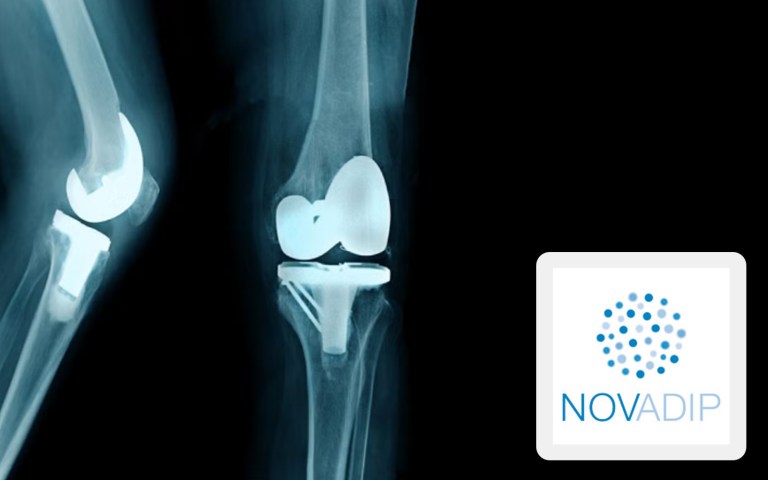
The ongoing US and EU study is testing NVD003, an autologous cell-based therapy, in patients with a rare, difficult-to-treat pediatric bone condition.

The analyses track skeletal muscle and heart outcomes through 24 months in 82 of 106 randomized participants, including delayed-start and natural-history comparisons submitted with a regulatory amendment.

In mice with collagen-induced arthritis, several ERNA-201 candidates lowered disease severity versus untreated controls, while the company shifts near-term spending to ERNA-101’s planned ovarian cancer trial filing.

The move is aimed at helping providers meet the new states’ rules on sourcing, consent, documentation and safety reporting, which do not replace federal requirements or FDA approval.

Nonclinical findings showed the investigational therapy reduced inflammation, tissue damage and pain sensitivity while promoting cellular repair, supporting its ongoing Phase 1 trial.

The Korean biotech company reported improved pain, joint function, and MRI-based structural measures versus placebo at 24 weeks, with no drug-related serious adverse events.