
Boston Children’s Hospital Launches Consortium to Develop Bioengineered Heart Tissues for Children
Researchers plan to test the engineered tissues first in the laboratory and then in large animals, and eventually in humans.

Researchers plan to test the engineered tissues first in the laboratory and then in large animals, and eventually in humans.
The planned trial is designed for patients whose multiple myeloma has returned or resisted treatment after at least three prior lines of therapy.
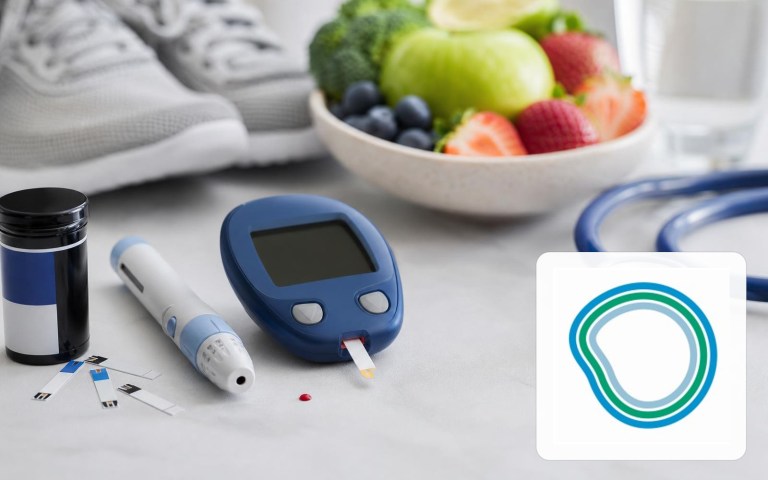
In rats, islets delivered through the liver’s portal vein had taken hold one month later, supporting the delivery route planned for clinical testing.

The company is developing a purpose-built laboratory platform to collect large-scale training data on how cells change over time and under treatment.

Developers will have access to immune profiling and detailed donor assessments, intended to help them evaluate the starting material used to make donor-derived cell therapies.

Participants received either four stem cell injections two weeks apart or five weekly hyaluronate injections, with outcomes tracked for 12 months.
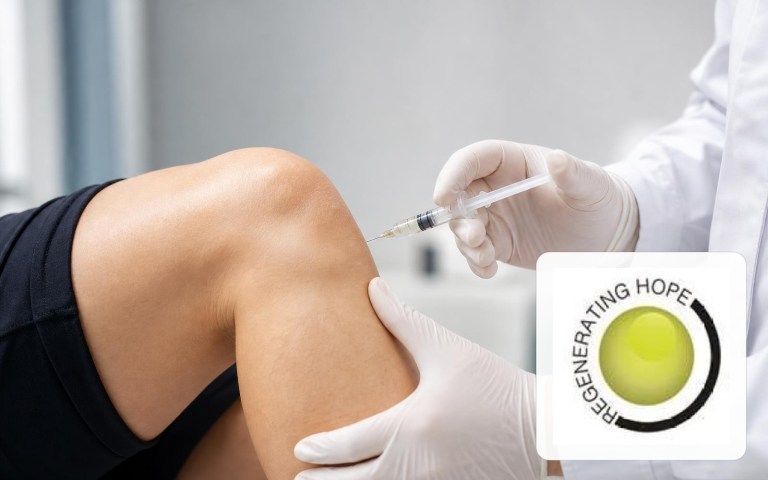
The Indian biotech company previously published a Phase 3 RCT comparing its therapy to placebo in 146 KOA patients.
The company hopes to nab the first approval in the world for this indication.

YiPSCELL's lead candidate delivers three-dimensional cartilage organoids derived from induced pluripotent stem cells through an injection into the joint cavity.

The experimental product isolates and purifies factors released by lab-grown iPS-derived cells, with foundational studies examining age-related changes in tissues including skin and hair.