Vitalant Launches Phoenix Cell-Based Analytics Lab to Support Allogeneic Therapy Developers
Developers will have access to immune profiling and detailed donor assessments, intended to help them evaluate the starting material used to make donor-derived cell therapies.
Key Points
- Vitalant has launched a Phoenix analytics laboratory to support developers of allogeneic cell therapies.
- The laboratory will provide donor characterization, immune profiling and assay-development support across cell-based analytics platforms.
- Vitalant aims to use expanded donor characterization to help developers evaluate source material and explore data-driven therapy selection.
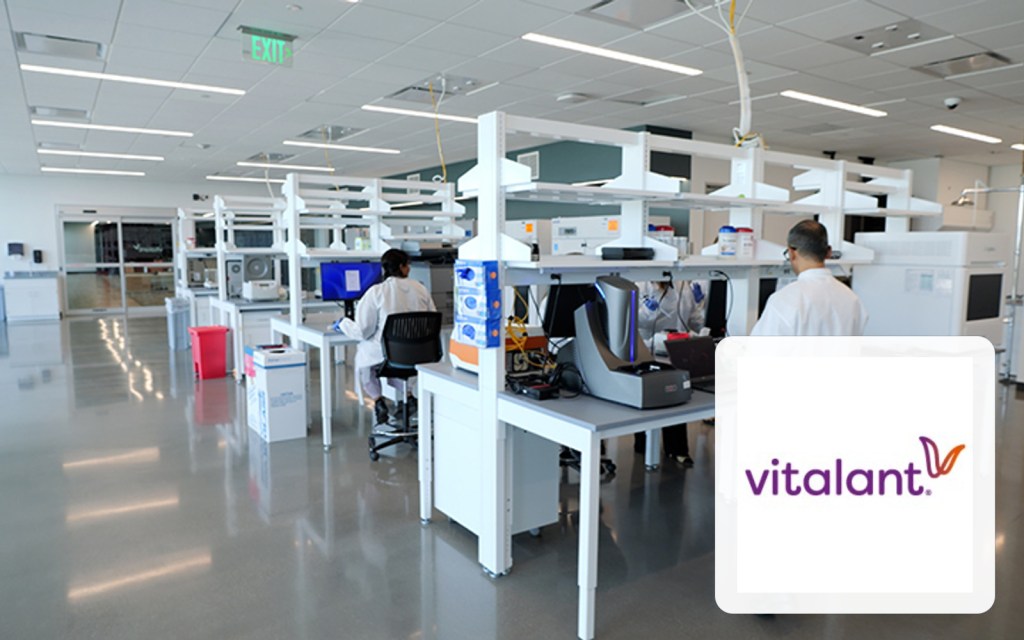
Vitalant, a nonprofit blood and biotherapies healthcare organization, has launched an analytics laboratory at the Phoenix Bioscience Core to support developers of allogeneic (donor derived) cell therapies. The laboratory expands Vitalant’s cell and gene therapy analytical capabilities, providing donor characterization, immune profiling and assay-development support across orthogonal cell-based analytics platforms.
Stay Ahead in Regenerative Medicine
Thanks! Please confirm your email using the link we sent from Jeremy@RegenReport.com (check spam too please).
The facility is designed to serve biotechnology and pharmaceutical therapy developers and other teams seeking access to scientific expertise and broader donor datasets. It supports immunomodulatory drug developers and is part of Vitalant’s integrated clinical, production and testing network, organized around centers of excellence.
The laboratory is located within the Phoenix Bioscience Core, a 30-acre life sciences district in downtown Phoenix. Vitalant also recently added investigative and diagnostic analytical capabilities through its expanded coagulation laboratory in Pittsburgh.
The analytics laboratory supports the growth of Vitalant’s characterized allogeneic donor base and nationwide collection infrastructure. By expanding characterization capabilities, Vitalant aims to help developers evaluate source material more effectively and, over time, explore data-driven approaches to therapy selection based on patient-cell characteristics.
Want to keep up on regenerative medicine? Get the weekly newsletter here.
Similar stories
 CIRM Approves $662M Regen Med Funding, Largest in its History
 FDA Reverses Decision on Regenxbio’s Gene Therapy for Hunter’s Syndrome, Supporting BLA Resubmission for Accelerated Approval
 Altman-Backed Regenerative Medicine Startup, Retro Biosciences, Closes Funding Round at $1.8B Valuation
 Sana Biotechnology and Mayo Clinic Partner Up on Type 1 Diabetes Stem Cell-Derived Therapy, Phase 1 Potentially This Year
Editor’s Picks
 Century Therapeutics Reports Sustained Glucose Control With iPSC-Derived Islets in Diabetic Mice, IND Soon
 Umbilical Cord Mesenchymal Stem Cell Injections Lower Pain Scores More Than Hyaluronate in 50-Patient Severe Knee Osteoarthritis Trial
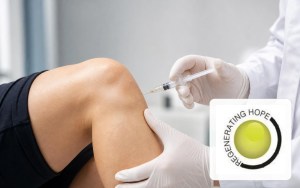 Stempeutics Nabs US Patent for Osteoarthritis Treatment Combining Bone Marrow Stem Cells and Hyaluronic Acid
 Inside Cellular Intelligence: The Zuck-Backed AI Company That Acquired Novo’s Parkinson’s Cell Therapy