YiPSCELL Nabs $8M for iPSC-Derived Cartilage Regeneration
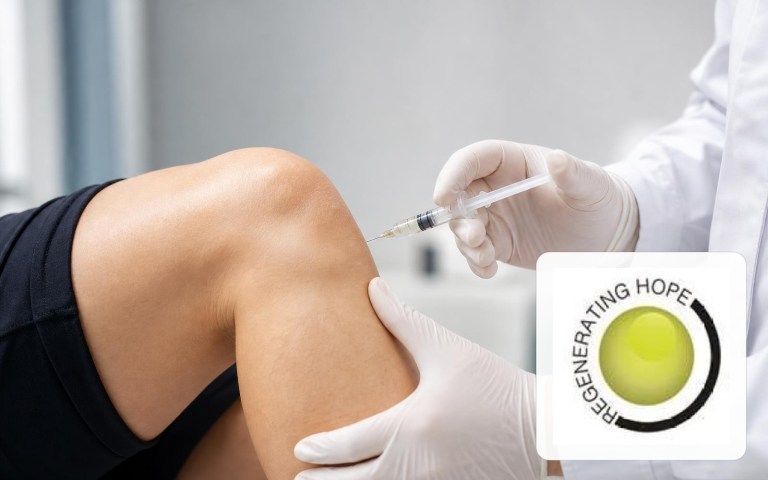
YiPSCELL's lead candidate delivers three-dimensional cartilage organoids derived from induced pluripotent stem cells through an injection into the joint cavity.

Key Points
- YiPSCELL is raising KRW 12 billion through a new issuance of redeemable convertible preferred shares.
- YL111 delivers three-dimensional cartilage organoids derived from induced pluripotent stem cells into the joint cavity.
- YiPSCELL plans to enter clinical development in Japan and pursue a KOSDAQ listing in 2027.
Big Move Ventures, a venture capital affiliate of Bumin Hospital Group, is investing in YiPSCELL, a regenerative medicine company developing treatments based on induced pluripotent stem cells (iPSCs). YiPSCELL is developing an osteoarthritis treatment, YL111, intended to regenerate cartilage with a single injection.
Stay Ahead in Regenerative Medicine
Thanks! Please confirm your email using the link we sent from Jeremy@RegenReport.com (check spam too please).
YL111 and Clinical Findings
YiPSCELL’s lead pipeline candidate, YL111, also known as Mucon, delivers three-dimensional cartilage organoids derived from iPSCs through an injection into the joint cavity. YiPSCELL says it has controlled undifferentiated stem cells to eliminate the risk of tumor formation and established chemistry, manufacturing and controls specifications at its own good manufacturing practice facility.
In a South Korean investigator-initiated clinical study involving three patients, safety was confirmed and early efficacy signals were observed using the following pain measures:
- Western Ontario and McMaster Universities Osteoarthritis Index
- Visual analog scale
Existing anti-inflammatory painkillers and hyaluronic acid injections provide pain relief, while existing cartilage-regenerating cell therapies require an incision or microfracture surgery. Patients with intermediate Kellgren-Lawrence grade 2 or 3 osteoarthritis therefore have limited treatment options.
Regulatory and Development Plans
Under South Korea’s revised Advanced Regenerative Bio Act, which took effect in February last year, medical institutions may administer treatments shown to be safe and effective through clinical research as advanced regenerative medical treatments before approval. YiPSCELL plans to use this system to generate non-reimbursed revenue earlier in development.
This could reduce the cash flow gap during the biotechnology research and development period. YiPSCELL is also targeting revenue from cell-line distribution and contract development and manufacturing in the disease-modeling market following the FDA Modernization Act 2.0, which permits alternatives to animal testing.
YiPSCELL plans to enter clinical development overseen by Japan’s Pharmaceuticals and Medical Devices Agency between this year and next year. After completing data collection this year from a 30-patient clinical study, the company plans to undergo a technology assessment and pursue a KOSDAQ listing in 2027.
Want to keep up on regenerative medicine? Get the weekly newsletter here.
Similar stories
 Webinar: Scaling iPSC Therapies Without Scaling Variability
 Aspen Neuroscience Publishes Preclinical Data on Parkinson’s iPSC-Derived Cell Therapy
 Made Scientific Acquires Resilience’s 85K-Square-Foot Cell Therapy Facility
 Kincell Bio and Cellipont Bioservices Merge to Form Kincellis Advanced Therapies
Editor’s Picks
 Century Therapeutics Reports Sustained Glucose Control With iPSC-Derived Islets in Diabetic Mice, IND Soon
 Umbilical Cord Mesenchymal Stem Cell Injections Lower Pain Scores More Than Hyaluronate in 50-Patient Severe Knee Osteoarthritis Trial
 Stempeutics Nabs US Patent for Osteoarthritis Treatment Combining Bone Marrow Stem Cells and Hyaluronic Acid
 Novadip Secures €10.4M for Pivotal Phase 3 Bone Repair Cell Therapy Trial