
Vita Therapeutics and I Peace Join Forces to Deliver Gene-Edited Stem Cells for Muscular Dystrophy
The companies will collaborate to leverage gene editing and GMP iPSC manufacturing to hopefully deliver new therapies.

The companies will collaborate to leverage gene editing and GMP iPSC manufacturing to hopefully deliver new therapies.

Hope Biosciences will study whether stem cell therapy can reduce inflammation or slow Alzheimer’s progression in a new clinical trial.

Klotho Neurosciences’ gene therapy is advancing plans for ALS clinical trials next year.
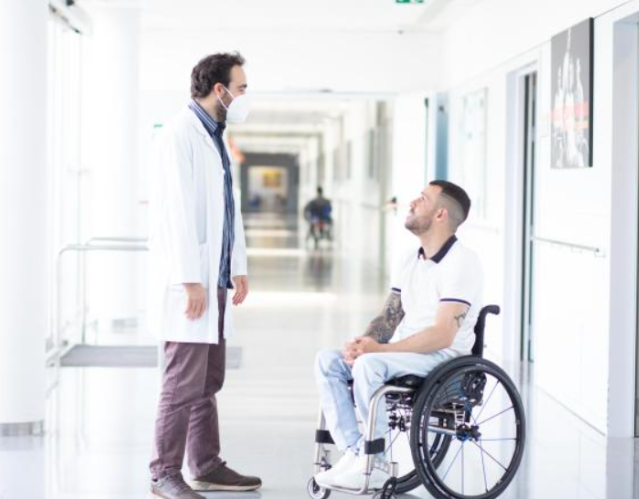
The study will test whether combining umbilical cord stem cells and spinal cord stimulation can safely help people with chronic spinal cord injury.

Researchers are testing whether exosomes from stem cells can enhance blood vessel repair for Moyamoya patients after surgery.

For decades, treating diseases of the central nervous system (CNS) with stem cells has been hampered by one persistent biological obstacle: the blood–brain barrier (BBB). While the BBB protects the brain from harmful substances, it also blocks most drugs and…

The FDAs new faces are feeling the pressure from patients and advocates on speeding up potential ALS therapies

The Israeli regenerative medicine company is moving one step closer to clinical trials for serious neurological indications such as TBI, spinal cord injury, etc.
BrainStorm's NurOwn, its ALS candidate stem cell therapy, has shown significantly higher five-year survival rates compared to expectations in a small 10 participant program.

The Chinese biotech company reports that the patient showed notable improvements in sleep quality and motor function, with no serious adverse events.
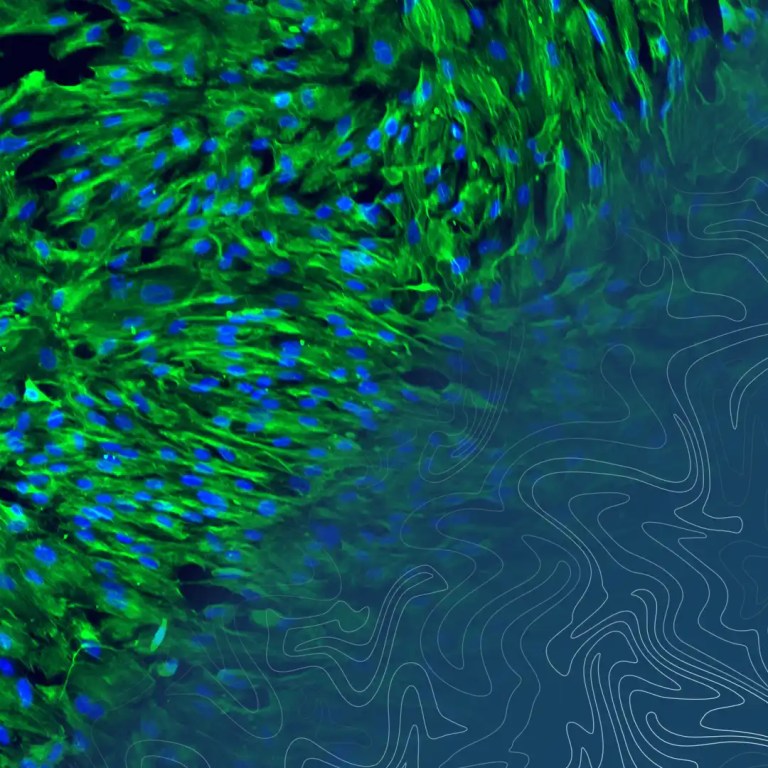
Researchers may now have a new tool to unlock insights into blood-brain barrier regulation and neurological disease mechanisms.

TreeFrog has developed a proprietary iPSC manufacturing process called C-Stem, moving one step closer to human trials.

NurExone Biologic's exosome product moves one step closer to clinical trials with their latest data, published in Cyotherapy.
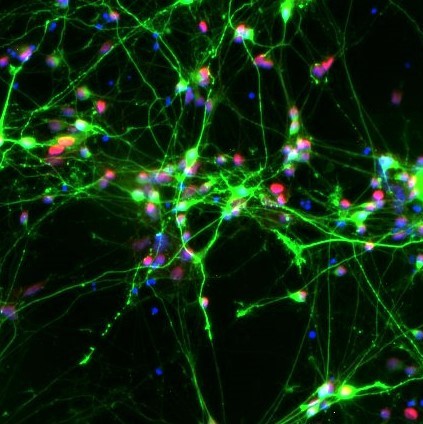
A new milestone for iPSC therapy in the USA, this is one to watch.

The neurorehabilitation hospital in Spain will investigate if allogeneic umbilical-derived stem cell therapy can help enhance recovery.

The company plans on moving to Phase 2 later this year, hopefully supporting a BLA in the near future.

This study will evaluate if allogeneic human induced pluripotent stem cell (iPSC)-derived motor neuron progenitor cells (XS228, made by XellSmart) can safely and effectively treat subacute spinal cord injury. Researchers at the Third Affiliated Hospital, Sun Yat-Sen University, in collaboration…

Brainstorm Therapeutics is back, and they've learned a lot from their previous trials. If you don't know the history of Nurown, their ALS stem cell candidate, it showed early promise in Phase 2 with some slowed disease progression. In Phase…
The new DOSED trial will explore a novel delivery method for OPC1 cells, potentially bringing hope to chronic SCI patients.

Will adipose stem cell therapy hold an answer for neuroinflammation, a factor in Alzheimer's?

This follows their RMAT designation, and promising Phase 1/2 trial results, which they presented earlier this year.

With FDA approval now secured, Orthocell prepares to launch Remplir into the lucrative US nerve repair market, accelerating commercialisation.

They'll be using allogeneic iPSCs to treat neurodegenerative disorders. ALS stem cells can be a tough topic after the Nurown trials... are iPSCs the answer?

The amended IND application moves NurOwn® closer to initiation of the pivotal Phase 3b clinical trial for ALS patients.
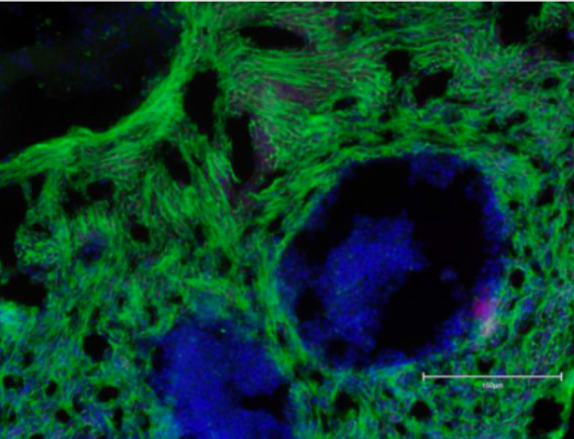
Cellino has successfully manufactured and delivered patient-specific autologous induced pluripotent stem cell (iPSC) lines from four donors to Matricelf for spinal cord injury treatment.