Allogene Therapeutics announced that ALLO-329, an investigational dual-targeted CD19/CD70 allogeneic CAR T therapy, has received three Fast Track Designations (FTD) from the FDA.
These designations are for the treatment of adult patients with:
– Active refractory moderate-to-severe systemic lupus erythematosus (SLE)
– Active severe/refractory idiopathic inflammatory myopathy (IIM), specifically dermatomyositis, immune-mediated necrotizing myopathy, and anti-synthetase syndrome
– Active refractory diffuse systemic sclerosis (SSc).
These designations follow a recent Investigational New Drug (IND) application clearance for the RESOLUTION basket study evaluating ALLO-329 in rheumatology indications.

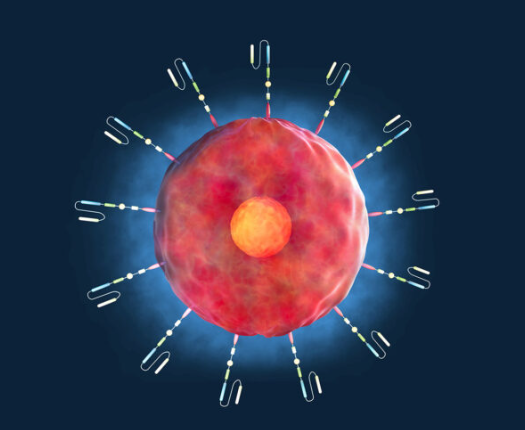
ALLO-329 is a dual CD19/CD70 chimeric antigen receptor T-cell (CAR T) therapy designed to potentially increase therapeutic effectiveness across multiple autoimmune indications. The therapy uses Allogene’s proprietary Dagger® technology, which the company reports may reduce or eliminate the need for lymphodepletion (pre-treatment to reduce immune cells), potentially broadening access to CAR T therapies for more patients.
“Receiving these designations for ALLO-329 underscores the versatility and transformative promise of this next-generation allogeneic CAR T investigational product in redefining the autoimmune treatment landscape,” said Zachary Roberts, M.D., Ph.D., EVP of Research and Development and Chief Medical Officer of Allogene. “Leveraging our extensive expertise, we’ve developed this off-the-shelf CAR T specifically for autoimmune diseases, prioritizing both scalability and the reduction or elimination of lymphodepletion – a key barrier in this patient population.”
The company plans to initiate the Phase 1 RESOLUTION basket trial in mid-2025. This trial will evaluate the safety and preliminary efficacy of ALLO-329 in patients with SLE, IIM, and SSc. The trial design will include two distinct lymphodepletion arms: one using cyclophosphamide alone, a chemotherapeutic agent commonly used by rheumatologists, and another eliminating lymphodepletion completely. Initial proof-of-concept data from the RESOLUTION trial is expected by year-end 2025.