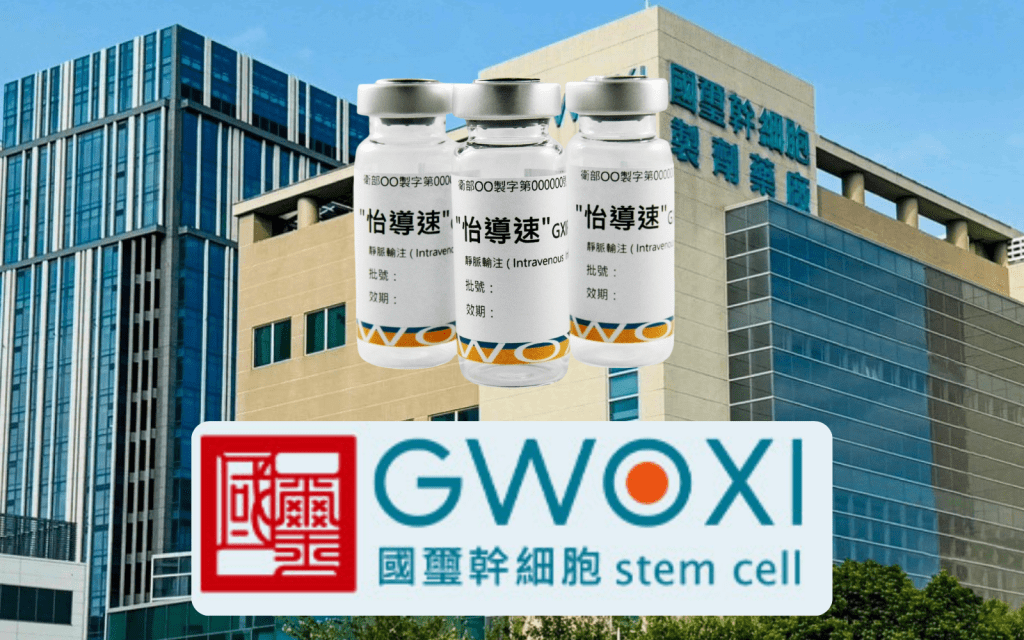
GWOXI Files FDA Drug Master File for Adipose-Derived Stem Cell Bank
GwoXi’s FDA filing aims to support cell therapy and exosome developers with a standardized, traceable stem cell source.
Key findings
- GwoXi Stem Cell has filed a Drug Master File with the FDA for its adipose-derived mesenchymal stem cell starting material bank.
- The DMF package covers donor screening, manufacturing, quality testing, and stability data, so developers can reference it in regulatory submissions.
- GwoXi reports the ADSC bank is being used in two clinical trials (knee osteoarthritis and type 1 diabetes) and is also positioned as a source material for exosome manufacturing.
Taiwanese biotech developer, GwoXi Stem Cell, announced that its Adipose-Derived Mesenchymal Stem Cell (ADSC) Starting Material Bank has been successfully filed as a Drug Master File (DMF) with the FDA. The company’s move will support developers who need a defined, traceable cell source for regenerative medicine manufacturing.


What’s a DMF?
A DMF is a submission that upstream suppliers make to the FDA, which outlines details on facilities, manufacturing processes, controls, and other information supporting future approval applications. It’s not required, but if a downstream stem cell or exosome manufacturer seeks approval for a product that uses GwoXI’s starting materials, the process is streamlined, and review timelines may be shortened, allowing companies to reach trials sooner.
GwoXi says its ADSC DMF includes information on:
- cell sourcing (including donor eligibility and infectious pathogen testing)
- manufacturing facilities
- process development
- specifications and inspection methods
- product quality and stability data


The cell factory
GwoXi’s cell facility is located at the Hsinchu Biomedical Science Park in Taiwan and is described as meeting GMP and PIC/S standards (PIC/S is a global cooperation for GMP standards).
They mention that its ADSC starting material bank has shown favorable safety profiles, immunomodulatory capabilities, and repair-promoting functions in human clinical trials for new drug development.
They’ve highlighted a few potential use cases for the platform, including:
- cell therapies, including for conditions such as osteoarthritis and autoimmune diseases
- starting material for exosome production (small vesicles released by cells that can carry signaling molecules), which it says are used in anti-inflammatory, repair, and medical aesthetics applications
- potential use as drug carriers, based on what it describes as natural tropism for pathological lesions, for engineered approaches in areas like anti-cancer, anti-fibrotic, and gene therapy platforms
They also mention that developers are currently using the starting materials for a Knee Osteoarthritis and Type 1 Diabetes trial.
Want to keep up on regenerative medicine? Get the weekly newsletter here.