Hope Biosciences Launches Phase Ib/IIa Stem Cell Trial for Early Alzheimer’s Disease
Hope Biosciences will study whether stem cell therapy can reduce inflammation or slow Alzheimer’s progression in a new clinical trial.
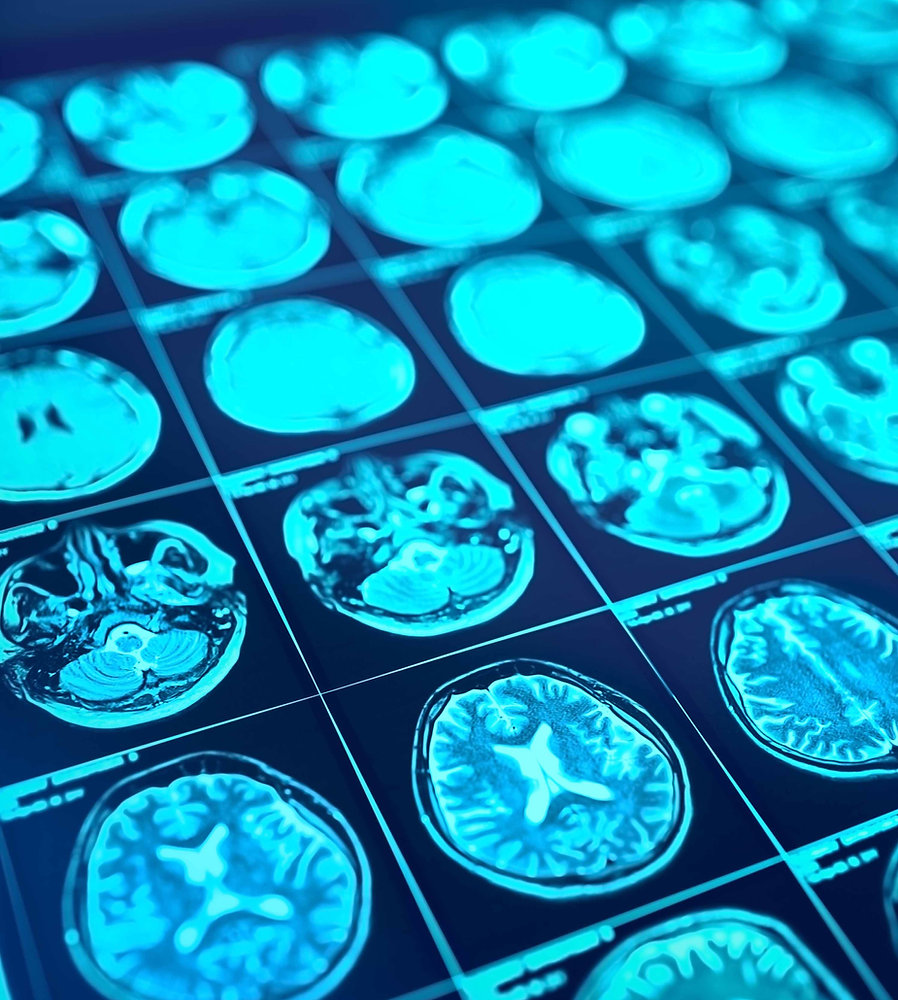
Hope Biosciences has received FDA authorization for an open-label Phase Ib/IIa clinical trial to investigate whether its autologous, adipose-derived mesenchymal stem cells (HB-adMSCs) can reduce brain inflammation, improve brain activity, or slow progression in Alzheimer’s disease (AD).
The study, sponsored by the Weston Brain Institute (Canada) and conducted at UTHealth Houston, will enroll twelve patients diagnosed with pre-symptomatic late-stage AD. Each participant is scheduled to receive four intravenous infusions of approximately 200 million stem cells over thirteen weeks. Enrollment is expected to begin soon.
“An established and growing body of research demonstrates a direct link between inflammation and progression of Alzheimer’s symptoms,” explains Donna Chang, CEO, Hope Biosciences. “Our technology repeatedly and consistently creates measurable improvements in daily function and quality of life for people suffering from neurodegenerative conditions. We hope to once again demonstrate that our primary technological advantage – repeatable access to high doses of fresh stem cells – opens the door to an efficacious solution for Alzheimer’s.”
Alzheimer’s disease is a progressive brain disorder that disrupts memory, cognition, and behavior, and is considered one of the costliest degenerative conditions in the United States due to direct healthcare costs and the increasing need for caregiving. The Alzheimer’s Association estimates that 6.9 million Americans aged 65 and older are living with Alzheimer’s dementia.
“In Alzheimer’s, deposits of beta-amyloid and tau lead to the buildup of plaques and tangles in the brain, which cause dementia,” elaborates Paul E. Schulz, MD, principal investigator, professor of neurology, and director of the Neurocognitive Disorders Center at McGovern Medical School, UTHealth Houston. “The beta-amyloid and tau protein come first in the disease, often for decades, followed by inflammation, which leads to cell death. While there are currently good medications available to get rid of the amyloid and slow the progression of the disease, we cannot yet stop it. We believe progression continues because the downstream damage from inflammation has been set in motion. So, if we can get rid of both the beta-amyloid and decrease the inflammation, we may be able to preclude or significantly reduce the risk of getting Alzheimer’s disease in pre-symptomatic individuals.”
This trial builds on prior collaborations between UTHealth Houston and Hope Biosciences, including two earlier clinical trials in traumatic brain injury. According to the company, positive preliminary results from those studies informed the development of the current AD trial, based on similarities in how inflammation affects the brain across these conditions and how stem cells may act in response.
“We remain hopeful,” concludes Chang. “Our technology continues to help real people, with real needs, right now. It is a privilege to reach twelve more such people through this trial, and continue promising work with respected partners.”
Hope Biosciences, based in Sugar Land, Texas, reports that its mesenchymal stem cells (MSCs) have been used in over 45 FDA-authorized clinical studies to date. The company’s clinical trials have explored applications in COVID-19 prevention and treatment, “Long Haul” COVID, Parkinson’s disease, multiple sclerosis (MS), and traumatic brain injury. Expanded access protocols have also included nervous system conditions such as amyotrophic lateral sclerosis (ALS), primary lateral sclerosis (PLS), cerebral palsy, spinal cord injury, polyneuropathy, and muscular dystrophy, as well as immune-related conditions like lupus, musculoskeletal pain, severe osteoarthritis, rheumatoid arthritis, psoriatic arthritis, and breast and pancreatic cancers.