Fujian Medical University is launching a pilot clinical trial investigating the use of mesenchymal stem cell (MSC)-derived exosomes to prevent and treat multiple organ dysfunction syndrome (MODS) in patients undergoing surgical repair of acute type A aortic dissection (ATAAD).
The study is taking place at the institution’s hospital in China, with Dr. Liang-Wan Chen serving as principal investigator.
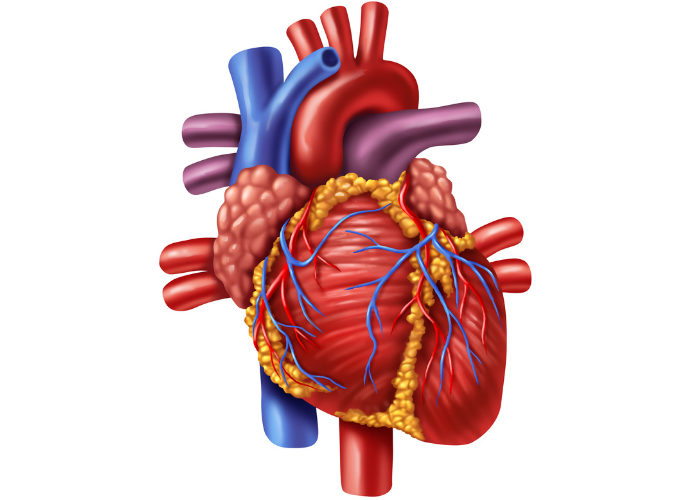
MODS is a major cause of death following surgery for ATAAD, a life-threatening condition in which the upper part of the aorta tears. Despite advances in surgical care, postoperative MODS remains common and carries a high mortality rate. The researchers report that animal and early human studies suggest MSCs and their exosomes may help protect organs from ischemia-reperfusion injury, potentially improving outcomes by modulating immune responses and supporting tissue repair.

This trial has two parts:
- Part 1 (Prevention): 30 patients who will undergo emergency surgery for ATAAD will be enrolled. Half (15) will receive intravenous MSC exosomes (150mg) once daily for 14 days starting immediately after surgery; the other half will not receive exosomes. Researchers will monitor MODS-related biochemical indices and sequential organ failure assessment (SOFA) scores.
- Part 2 (Treatment): Another set of 30 patients who develop severe MODS (SOFA score ≥10) after surgery will be randomized. Fifteen will receive the same exosome regimen, while 15 will serve as controls. SOFA scores and organ function indices will again be tracked.
The trial’s primary objectives are to measure:
- Survival rates up to six months post-intervention
- Changes in SOFA scores (0–24 scale; higher scores indicate worse prognosis)
- Changes in interleukin-6 (IL-6) concentrations in the first three days after treatment
- Incidence of allergic reactions and new cancer diagnoses (up to two years)
Secondary objectives include evaluating kidney, liver, lung, coagulation, and neurological function using standard laboratory and clinical scales, such as serum creatinine, bilirubin, oxygenation index, platelet count, and the Glasgow Coma Scale.
According to the study team, exosomes may represent an alternative to direct MSC transplantation. They note that exosomes are cell-free, more stable, easier to store, and less likely to cause immune rejection or genetic instability compared to whole cells. This could make them attractive as an adjunct for critically ill patients in the perioperative period. The estimated study completion date is September 2030.
Want to keep up on regenerative medicine trials? Get the weekly newsletter here.