StimLabs Launches DermaForm Porcine-Derived Particulate Collagen Scaffold for Wound Management
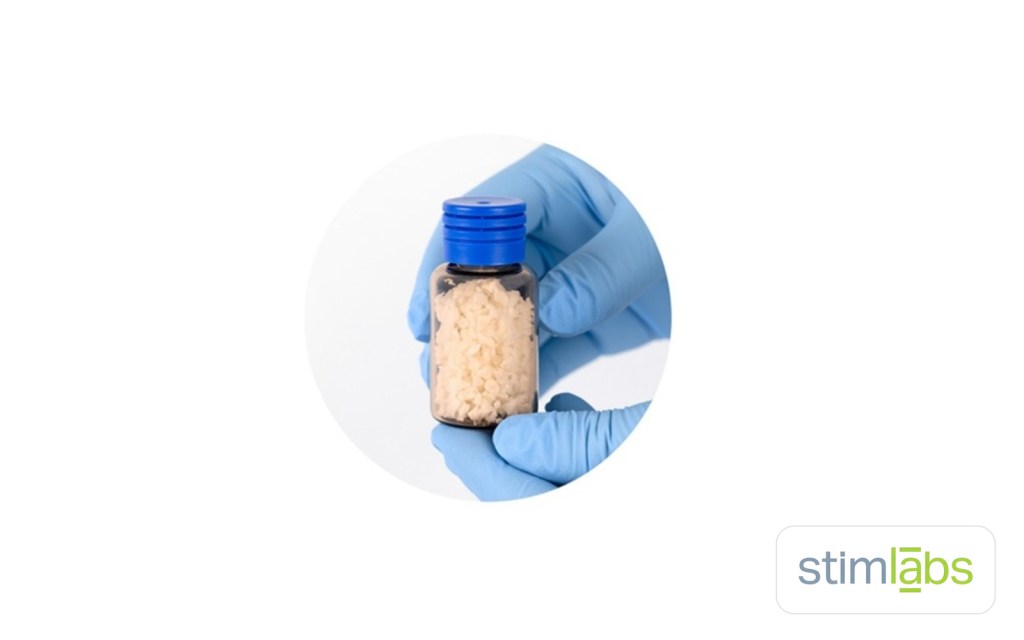
The device is ready to use directly from the vial and can be applied dry or rehydrated to fill wound voids, cover large surface areas, or protect wounds when primary closure is not possible.
Key Points
- StimLabs has announced the commercial launch of DermaForm, an FDA 510(k)-cleared porcine-derived particulate collagen scaffold for managing acute and chronic wounds.
- Developed by Geistlich and distributed exclusively in the U.S. by StimLabs, the device is ready to use from the vial and can be applied dry or rehydrated.
- The porous collagen scaffold has pore sizes within the range known to be accessible for cell infiltration and naturally resorbs into the wound bed over time, according to the companies.
StimLabs, a regenerative medicine company focused on wound care and surgical applications, has announced the commercial launch of DermaForm, an FDA 510(k)-cleared porcine-derived particulate collagen scaffold that manages a range of acute and chronic wounds. DermaForm was developed by Geistlich, a Swiss regenerative medicine company, and is distributed exclusively in the U.S. by StimLabs as the latest product from the companies’ continued partnership.
Stay updated on Cell & Gene news
Thanks! Your signup has been saved.
DermaForm is a porous collagen-based scaffold designed to support wound management and tissue protection. The device has pore sizes within the range known to be accessible for cell infiltration, is biocompatible with low immunogenicity, and naturally resorbs into the wound bed over time.
The particulate format allows versatile application in method, density of coverage, and hydration level. DermaForm is ready to use with direct application from the vial, can fill wound voids and cover large wound surface areas, and may be applied dry and directly into the wound bed or in a rehydrated state. It is easily moldable to a desired consistency based on the amount of fluid added. StimLabs describes the format as protecting wounds when primary closure is not possible and as beneficial for large, complex hospital wounds.
John Daniel, Founder and CEO of StimLabs, said: “There is a significant unmet need in the management of large, complex, and hard-to-heal wounds, and DermaForm was purpose-built to address it. Its unique porcine source, collagen scaffold architecture, and versatile particulate format give clinicians a new solution for their wound care needs. We are proud to bring this innovation to patients across the country.”
Tom Dion, EVP & Chief Commercial Officer at StimLabs, said: “DermaForm fills a clear gap in the wound care toolkit. Clinicians managing large, complex wounds need a product that is not only effective but also practical — easy to apply, easy to store, and easy to incorporate into their existing workflow. DermaForm delivers on all three. It is shelf-stable at room temperature, pourable directly from the vial, and has the inherent benefits of a particulate device. We expect strong uptake from hospital-based wound care teams.”
David Wemans, VP Regenerative Technologies at Geistlich, said: “DermaForm is the result of Geistlich’s deep scientific expertise in collagen engineering applied specifically to the unmet needs of complex wound management. The product is a combination of deliberate design choices aimed at providing clinicians with a unique product that solves a clinical unmet need. We are confident that clinicians will see meaningful outcomes with this device, and we are proud to bring it to U.S. patients through our partnership with StimLabs.”
Want to keep up on regenerative medicine? Get the weekly newsletter here.
Similar stories
 Made Scientific Acquires Resilience’s 85K-Square-Foot Cell Therapy Facility
 Humacyte’s Vascular Tissue Graft Nabs FDA Authorization for 36-Month Shelf Life
 Made Scientific Selected to Manufacture Columbia University’s NOVAKnee, a 3D Printed Knee Replacement Made of Stem Cells and Scaffolds
 BioStem Technologies Receives 5 Patents for Placental Allografts
 Kangstem Publishes Promising Phase 1 Results for Cord-Blood Derived Stem Cell Therapy in Knee Osteoarthritis, Post-MRI Data Suggest Potential Cartilage Regeneration
 Royal Biologics and Jellagen Bringing Jellyfish-Derived Collagen Type Zero to the US Regenerative Medicine Market
 Colorado Boulder’s Injection Shows Promise for Reversing Osteoarthritis, Advancing ARPA-H Project
 Orthocell Secures US Department of Defense Approval for Remplir Collagen Nerve Wrap