Colorado Boulder’s Injection Shows Promise for Reversing Osteoarthritis, Advancing ARPA-H Project
Researchers in Colorado are advancing injectable and biomaterial-based therapies that, in animal studies, restored damaged cartilage and bone by triggering the body’s own repair processes, potentially offering a minimally invasive alternative to pain management or joint replacement.
Key Points
- Researchers in Colorado are advancing two osteoarthritis therapies that, in animal studies, restored damaged joints within four to eight weeks.
- The approaches include a single injectable treatment and a biomaterial repair system for cartilage or bone defects.
- The team has advanced to the next phase of an ARPA-H project worth up to $33.5 million and is preparing for publication and possible clinical trials.
What the team developed
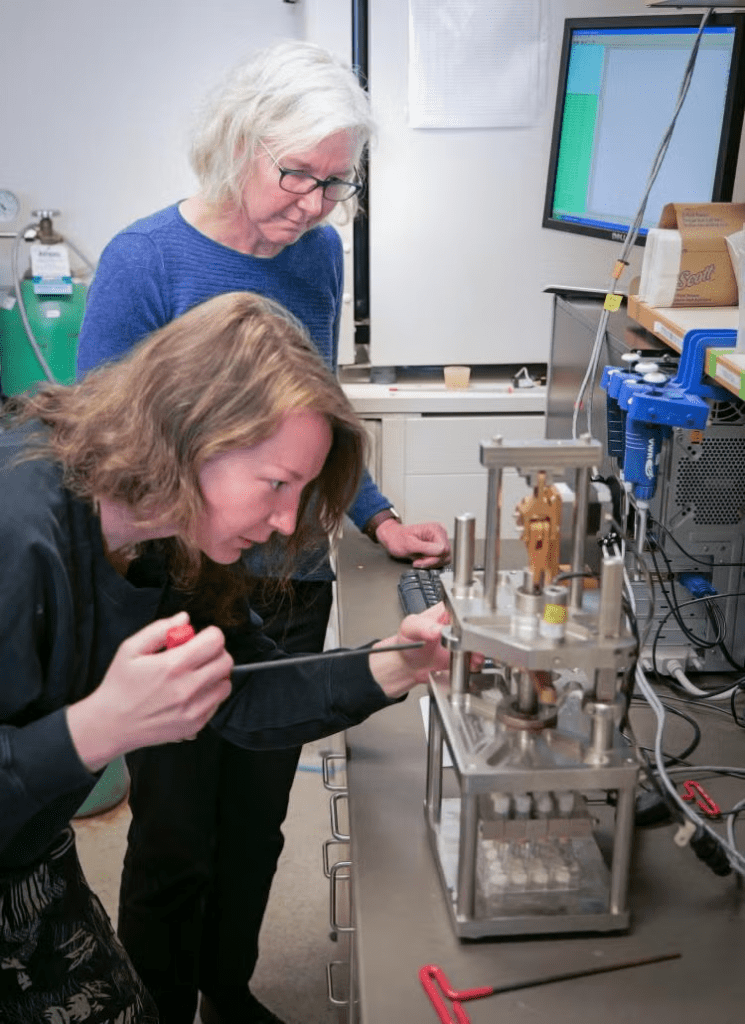
A research team from the University of Colorado Boulder, the University of Colorado Anschutz, and Colorado State University has developed two osteoarthritis therapies designed to trigger joint repair, rather than today’s focus on managing symptoms. The work is based on animal studies and human cells derived from patients undergoing joint replacement.
The first approach uses an existing FDA-approved drug delivered through a patented particle system, which is injected into the joint and releases intermittent bursts of the drug over several months, though they did not mention in the release what that drug was.

The second is a biomaterial-based repair treatment for more significant cartilage or bone lesions. It uses engineered proteins that can be injected arthroscopically and cured in place to recruit the body’s own progenitor cells to repair the damaged area.
In animal studies, the team reports that arthritic joints and joint injuries returned to a healthy state within four to eight weeks after treatment with the injection. For focal defects in bone or cartilage, the researchers reported full regeneration and repair of the defect. The team also saw regenerative effects in human cells from patients undergoing joint replacement.
Why it matters for osteoarthritis
Osteoarthritis affects cartilage first, then can damage bone and reshape the joint. Current care is largely limited to pain management or joint replacement. The Colorado group is aiming to create less invasive options that could be used earlier in disease progression or to repair discrete areas of tissue damage.
The university mentions that these approaches could eventually support a single-dose treatment for earlier-stage disease and a one-visit repair option for damaged tissue, though that remains to be tested in human studies.
“In two years, we were able to go from a moonshot idea to developing these therapies to demonstrating that they reverse osteoarthritis in animals,” said principal investigator Stephanie Bryant, professor of chemical and biological engineering at CU Boulder. “Our goal is not just to treat pain and halt progression, but to end this disease.”
“At the moment, the options for many patients are either a massive, expensive surgery or nothing. There’s not a lot in between,” said Burger, who has been following the team’s research with interest. “That’s why ARPA-H is so important.”
Funding and next steps
The project is part of ARPA-H’s Novel Innovations for Tissue Regeneration in Osteoarthritis, or NITRO, program. Two years ago, the Colorado team received an award worth up to $33.5 million, contingent on progress. With phase one complete, the group has now advanced to phase two.
The researchers plan to publish the animal data in a peer-reviewed journal later this year. They have also formed Renovare Therapeutics Inc. to support commercialization efforts. If future studies stay on track, Bryant said clinical trials could begin in as soon as 18 months.
“It’s super exciting to be a part of the very first program of ARPA-H and to be one of the first teams to advance to the second phase,” said Bryant.
“This could be a real game-changer for patients,” said Bryant.
Want to keep up on regenerative medicine? Get the weekly newsletter here.