
Parkinson’s stem cell trial launches: Aspen Neuroscience doses first patient with iPSCs
A new milestone for iPSC therapy in the USA, this is one to watch.
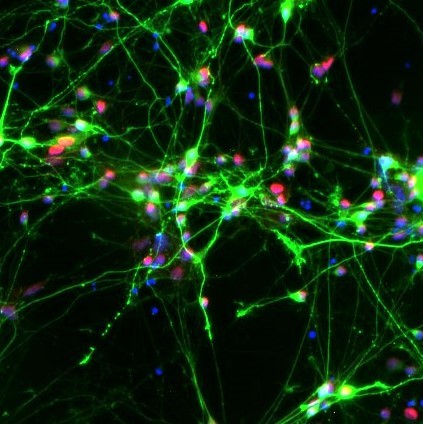
Aspen Neuroscience has dosed the first patient in its ASPIRO trial, a Phase 1/2a study assessing its Parkinson’s stem cell therapy, ANPD001.
ANPD001 is an autologous (patient-derived) dopaminergic neuron cell replacement therapy developed for people with moderate to severe Parkinson’s disease (PD).
The therapy is made by taking a small skin sample, reprogramming those cells into induced Pluripotent Stem Cells (iPSCs), then differentiating into dopaminergic neuron precursors (DANPCs).
These DANPCs are transplanted into the putamen region of the brain, aiming to replace cells lost or damaged due to Parkinson’s disease. Aspen has also developed a proprietary machine learning-based genomic test to ensure the quality of the cells at every step of the way.
The initial transplantation was performed by the trial’s lead neurosurgeon, Paul Larson, MD, FAANS, professor of neurosurgery at the University of Arizona College of Medicine – Tucson, at Banner – University Medical Center Tucson.
“Parkinson’s disease is the most common neurodegenerative movement disorder, primarily affecting the depletion of dopamine neurons in the midbrain. By the time of diagnosis, it is common for people with Parkinson’s to have lost the majority of dopaminergic (DA) neurons in the nigrostriatal pathway, which leads to progressive loss of motor and neurological function,” explained Dr. Larson. “This is the first use of the autologous approach in a formal clinical trial, and it is an honor to be part of this important study.”
Damien McDevitt, PhD, Aspen Neuroscience President and CEO said: “To date, there is no disease-modifying therapy that can stop, replace or prevent the loss of dopamine neurons or slow the progression of Parkinson’s.”
The primary endpoint of the study is the safety and tolerability of two sequential escalating doses of ANPD001. Secondary endpoints include evaluating improvements in “on” time (periods when patients experience good symptom control), motor symptoms, and quality of life using standard Parkinson’s disease rating scales.
Here’s the trial page:
https://clinicaltrials.gov/study/NCT06344026
Want to stay updated on regenerative medicine like this? Get the free newsletter here.
Subscribe