Excellthera’s Blood Stem Cell Therapy Nabs NUB Status 1 in Germany
Zemcelpro (dorocubicel) is designed to support blood and immune system recovery after myeloablative conditioning in patients with hematologic diseases.

Key findings
- Zemcelpro, a hematopoietic (blood) stem cell therapy, received NUB Status 1 in Germany, which allows reimbursement in German hospitals.
- The therapy supports hematopoietic recovery after myeloablative conditioning in hematologic diseases.
Stay updated on Cell & Gene news
Thanks! Your signup has been saved.
Zemcelpro, also known as dorocubicel, has been granted NUB Status 1 by the German Federal Joint Committee. This designation allows the therapy to be reimbursed in German inpatient care settings under current hospital remuneration systems.
What is Zemcelpro (dorocubicel)?
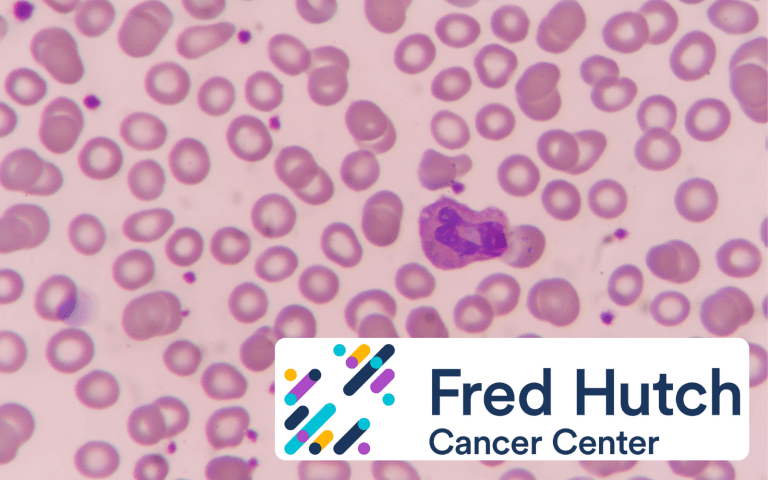
Zemcelpro is a hematopoietic stem cell therapy designed to restore bone marrow function after intensive myeloablative conditioning (high-dose chemotherapy or radiation therapy that destroys bone marrow stem cells), generally used to prepare patients for hematopoietic stem cell transplantation. The treatment is derived from allogeneic (donor) umbilical cord blood and chemically enhanced to support faster, more effective hematopoietic recovery.
It uses a small molecule, UM171, to expand the number of stem cells while keeping them functionally intact, thereby improving the engraftment of those cells, and reducing some of the complications with delayed recovery.
Understanding NUB Status
The NUB (Neue Untersuchungs- und Behandlungsmethoden) status classification in Germany determines reimbursement for new diagnostic and treatment methods that are not yet included in the standard hospital payment system. Status 1 means the therapy has been recognized for reimbursement without restrictions, enabling its adoption in clinical practice.
Significance of the approval
Receiving NUB Status 1 is an important step towards wider use of Zemcelpro in German hospitals. It ensures reimbursement coverage, which is crucial for hospital uptake and patient access. The decision reflects the regulator’s recognition of the therapy’s potential clinical benefit and alignment with healthcare system requirements.
This update follows ongoing clinical evaluations and regulatory submissions across multiple regions. The German designation complements other approvals and supports forthcoming launches in Europe and beyond.
Want to keep up on regenerative medicine? Get the weekly newsletter here.
Similar stories
 Phase II Finds Umbilical Cord Blood Transplant With Pooled Stem Cell Product Shows 96% Survival and No Graft-Versus-Host Disease in Leukemia Patients
 HexemBio Emerges from Stealth Mode with $10.4 Million Raised for Blood Stem Cell Rejuvenation Therapy Development
 Cellares Teams Up with Stanford to Automate Gene-Edited Stem Cell Therapy Manufacturing
 CIRM Approves $73 Million for Early-Stage Regenerative Medicine Research in California
Editor’s Picks
 Century Therapeutics Reports Sustained Glucose Control With iPSC-Derived Islets in Diabetic Mice, IND Soon
 Umbilical Cord Mesenchymal Stem Cell Injections Lower Pain Scores More Than Hyaluronate in 50-Patient Severe Knee Osteoarthritis Trial
 Stempeutics Nabs US Patent for Osteoarthritis Treatment Combining Bone Marrow Stem Cells and Hyaluronic Acid
 Inside Cellular Intelligence: The Zuck-Backed AI Company That Acquired Novo’s Parkinson’s Cell Therapy