Trailhead Biosystems launches iPSCs for blood-brain barrier and neurological research
Researchers may now have a new tool to unlock insights into blood-brain barrier regulation and neurological disease mechanisms.
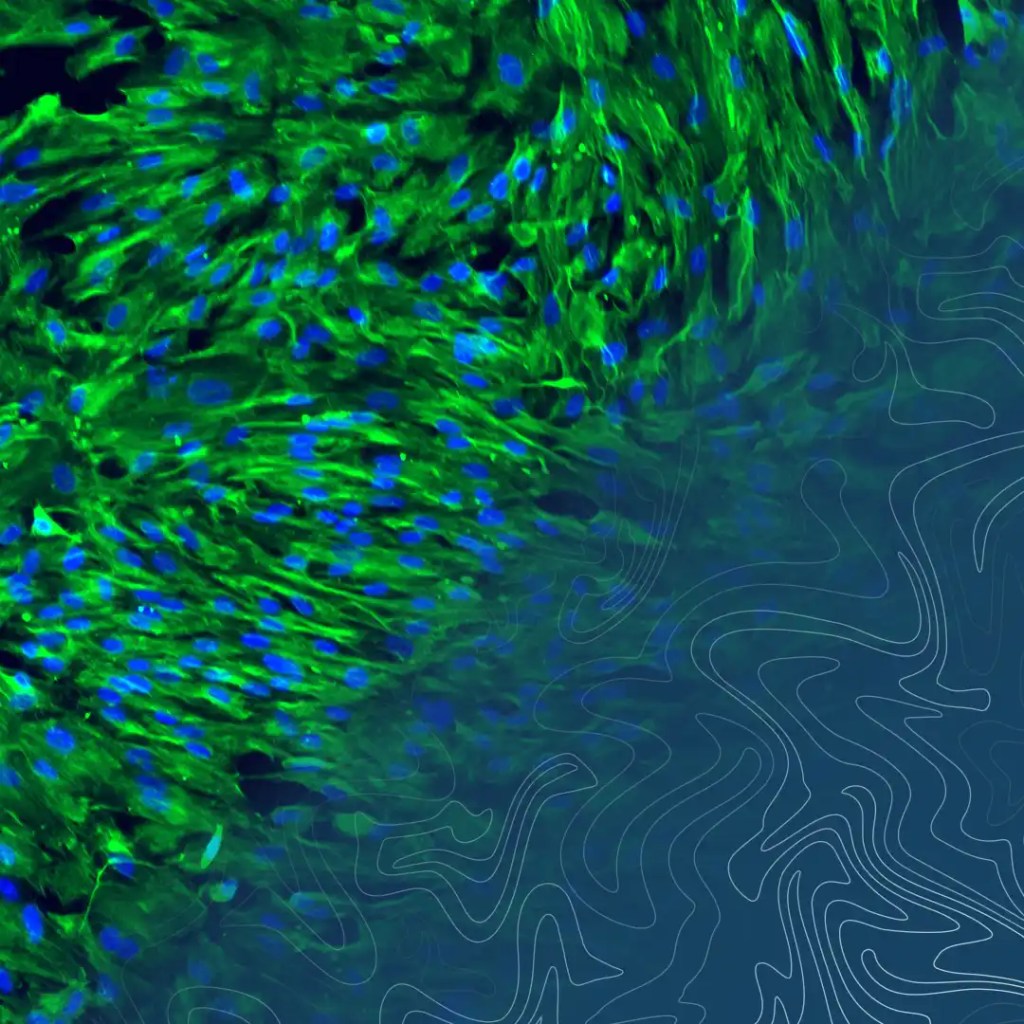
Trailhead Biosystems, Inc. has launched its new induced pluripotent stem cell (iPSC)-derived human cells for researching the blood-brain barrier (BBB), called TrailBio® Vascular Leptomeningeal Cells (VLMCs).
Dysfunction of the BBB has been associated with neurological conditions such as Alzheimer’s disease, multiple sclerosis, and traumatic brain injury.
Stay updated on Pluripotent news
Thanks! Your signup has been saved.
According to the company, these cells represent the first commercially available product of their kind, offering researchers a novel method to investigate the permeability and regulatory mechanisms of the BBB. The cells are intended for use in drug discovery and disease modeling in human brain function.
VLMCs are an important component of the BBB, a structure composed of several cell types working together to regulate substance exchange between blood vessels and brain tissue. On the neuronal side, VLMCs and astrocytes are present, while pericytes and endothelial cells reside on the vascular side, forming a tightly controlled barrier. VLMCs are located in the Virchow-Robin Space, a perivascular area that permits cerebrospinal fluid to circulate into the brain, facilitating the clearance of metabolic waste during sleep—a process referred to as glymphatic flow, which is important for brain health.
Although the specific roles of VLMCs are still under investigation, available literature suggests that these cells modulate the permeability of the BBB through the regulation of tight junction proteins and other molecules in response to both normal and pathological conditions. While VLMCs share certain properties with pericytes, they are of glial origin and occupy distinct anatomical locations. Similar to pericytes, VLMCs become highly activated upon Toll-like receptor (TLR) stimulation, suggesting a role in neuroinflammation. Trailhead indicates that TrailBio® Vascular Leptomeningeal Cells will enable researchers to further explore these processes and their implications for neurological health and disease.
“We are thrilled to introduce VLMCs to the research community and offer this invaluable tool that will advance our understanding of the blood-brain barrier, and also potentially neurodegenerative disease and brain inflammation,” said Dr. Jan Jensen, CEO/CSO of Trailhead Biosystems. “This milestone reflects our unwavering commitment to providing scientists with physiologically relevant human cells of the highest quality, and will facilitate groundbreaking research that could lead to new therapeutic approaches for neurological diseases.”
Researchers may now have a new tool in the shed for accurate in vitro models to study drug permeability and disease mechanisms, potentially improving research into new therapies.
Wonder if we’ll use this to study the BBB permeability problem for IV mesenchymal stem cell therapy?
Similar stories
 Encellin and Breakthrough T1D Planning Phase 1 of Immune-Protected Cell Therapy for Type 1 Diabetes
 Webinar: Scaling iPSC Therapies Without Scaling VariabilityOn-Demand
 Aspen Neuroscience Publishes Preclinical Data on Parkinson’s iPSC-Derived Cell Therapy
 Made Scientific Acquires Resilience’s 85K-Square-Foot Cell Therapy Facility
Editor’s Picks
 Century Therapeutics Reports Sustained Glucose Control With iPSC-Derived Islets in Diabetic Mice, IND Soon
 Umbilical Cord Mesenchymal Stem Cell Injections Lower Pain Scores More Than Hyaluronate in 50-Patient Severe Knee Osteoarthritis Trial
 Stempeutics Nabs US Patent for Osteoarthritis Treatment Combining Bone Marrow Stem Cells and Hyaluronic Acid
 Novadip Secures €10.4M for Pivotal Phase 3 Bone Repair Cell Therapy Trial