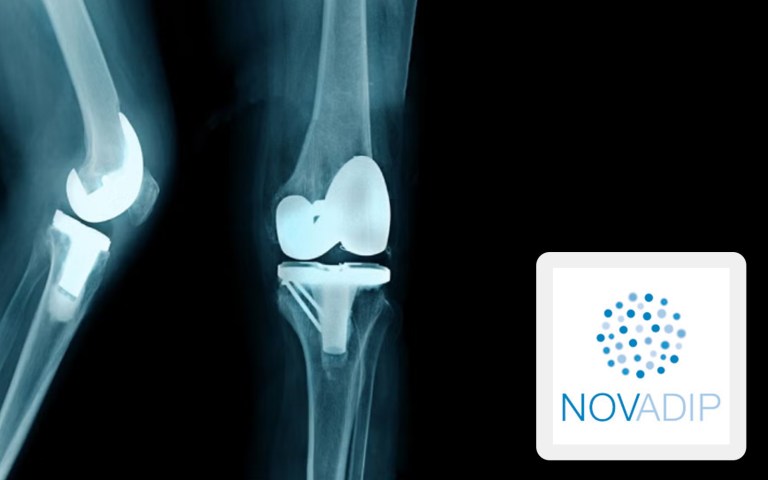
Exosomes Show Promise in Supporting Bone Fracture Healing and Regeneration
Researchers explored how exosomes could boost bone healing and pave the way for new regenerative therapies.
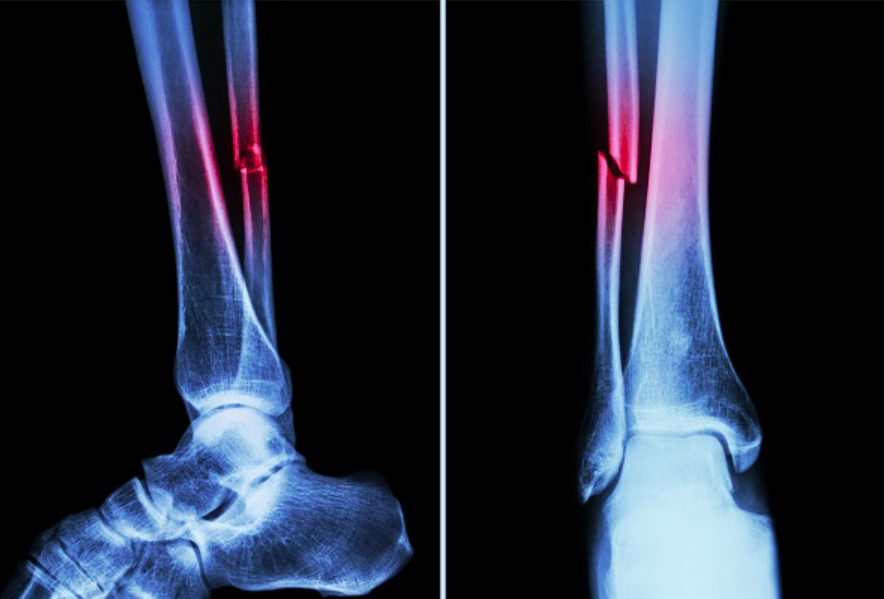
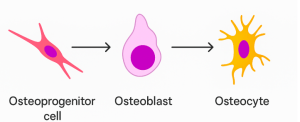
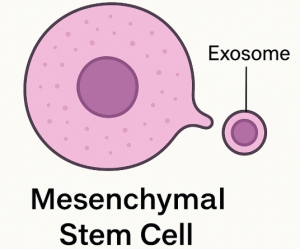
Exosomes are small, membrane-bound vesicles released by many cell types. These vesicles act as messengers. In a new review published in Regenerative Therapy, researchers have demonstrated that exosomal cargos can actively enhance both osteogenesis (formation of new bone) and angiogenesis (growth of new blood vessels), supporting the complex process of fracture repair.


According to the review, exosomes contribute to bone repair by way of:
- They promote the differentiation of osteoblasts, which are cells responsible for bone formation.
- They help modulate osteoclast activity, which is involved in bone resorption and remodeling.
- They encourage neovascularization, supplying the regenerating tissue with necessary nutrients and oxygen.
The paper also highlights the influence of exosomes derived from different cellular sources. For instance, exosomes produced by mesenchymal stem cells, endothelial progenitor cells, and osteoblasts each demonstrate unique roles in regulating the bone repair environment. These findings suggest that selecting specific exosome sources could optimize therapeutic strategies for bone injuries.
Most evidence discussed in the review is from laboratory and animal studies, highlighting the need for more clinical research. Researchers are also exploring various delivery methods, such as biomaterial scaffolds, to enhance the effectiveness of exosome-based therapies.
While the studies discussed show promise, there are ongoing challenges in translating exosome-based therapies to clinical use. Issues such as large-scale production, standardization, and safety assessments remain to be addressed.
Want to keep up on regenerative medicine trials? Get the weekly newsletter here.