BioTissue Nabs Vizient Contract to offer Amniotic Allograft Products in the USA

The new agreement enables Vizient members broader access to BioTissue’s amniotic membrane products for diverse clinical applications.

BioTissue, a regenerative biologics manufacturer, has signed a supplier contract with Vizient, a large healthcare performance improvement company in the United States.

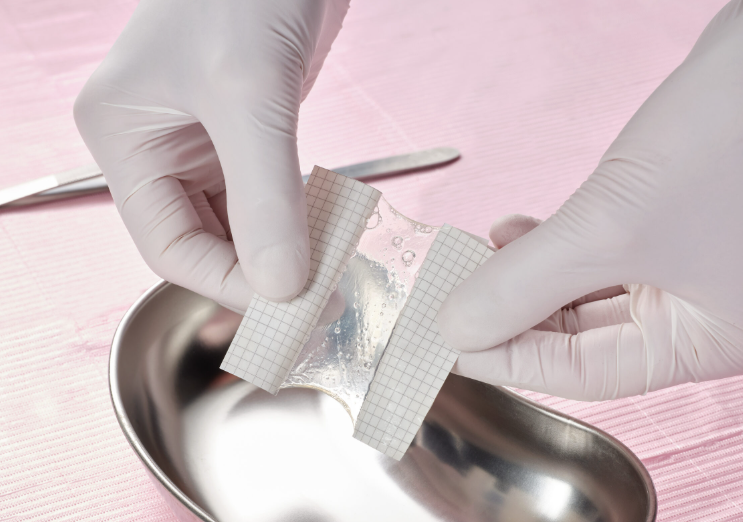
Vizient, which works with 65% of US hospitals, will now have access to BioTissue’s allograft products, including Clarix 1K cryopreserved, ultra-thick human amniotic membrane allograft used as an adjunct for surgical, wound, and musculoskeletal applications. BioTissue reports that Clarix® 1K, a 361 HCT/P, can be used for tectonic support as a surgical covering, wrap, or barrier for patients. 

A retrospective study found a median 89.5% improvement in pain and improved range of motion when Clarix Cord 1K was used as an interpositional graft during tarsal coalition surgery, with no infection or wound complications reported.

BioTissue also reports they’ve developed a proprietary cryopreservation process, called CryoTek®, which preserves the anti-inflammatory and regenerative properties of the amniotic tissue. 

BioTissue is also conducting multiple clinical trials as it pursues Biologic License Applications (BLAs) for new products addressing unmet clinical needs. To date, clinicians have performed over 1 million human implants using BioTissue products, and there are more than 400 peer-reviewed publications supporting its platform technology.

Want to keep up on regenerative medicine? Get the weekly newsletter here.
If you found this post helpful, would you mind sharing it? ⬇️ 

Latest Clinical Trials

Aspen’s trial advances with a commercial-ready, patient-derived cell therapy aiming to improve Parkinson’s outcomes and streamline clinical delivery.
The exPDite-2 trial will evaluate the safety and effectiveness of donor-derived stem cell therapy in Parkinson’s disease patients.
The trial will inject autologous stem cells directly into the brain to bypass the blood-brain-barrier.
A new clinical trial in Texas will evaluate stem cell therapy’s potential to improve outcomes for adults with chronic TBI.

Related Content:

Researchers are testing whether exosomes from umbilical cord stem cells can safely reduce inflammation and support cartilage repair in osteoarthritis.
The latest additions aim to support clinicians treating smaller wounds, enhancing flexibility and workflow in surgical wound care.
New peer-reviewed review argues that Wharton's Jelly derived mesenchymal stem cells offer a novel, non-invasive option for many regenerative therapies.
The Australian biotech company is preparing for trials and commercialization of its stem cell therapy platform for Crohn's disease, StemSmart.
The study will test whether combining umbilical cord stem cells and spinal cord stimulation can safely help people with chronic spinal cord injury.
Researchers will test if umbilical cord stem cell infusions can safely reduce lung disease in extremely premature infants.
The trial will investigate whether umbilical cord stem cell therapy can calm the autoimmune condition.
This small German biotech company is joining the knee OA stem cell race.
The neurorehabilitation hospital in Spain will investigate if allogeneic umbilical-derived stem cell therapy can help enhance recovery.
The company will produce its FDA-approved diabetic foot ulcer product and others at the new facility, creating over 200 full-time jobs.
Leveraging NYBCe's CDMO subsidiary, the companies plan on bridging the gap between Asian and American manufacturing standards. This collaboration seeks to tackle industry-wide GMP capacity challenges, making advanced cell therapies more accessible worldwide

Discover more from Regen Report

Subscribe now to keep reading and get access to the full archive.

Continue reading

Stay updated on Regenerative Medicine