RBI Launching Phase 2 Brain Stem Cell Injection Trial for Alzheimer’s
The trial will inject autologous stem cells directly into the brain to bypass the blood-brain-barrier.
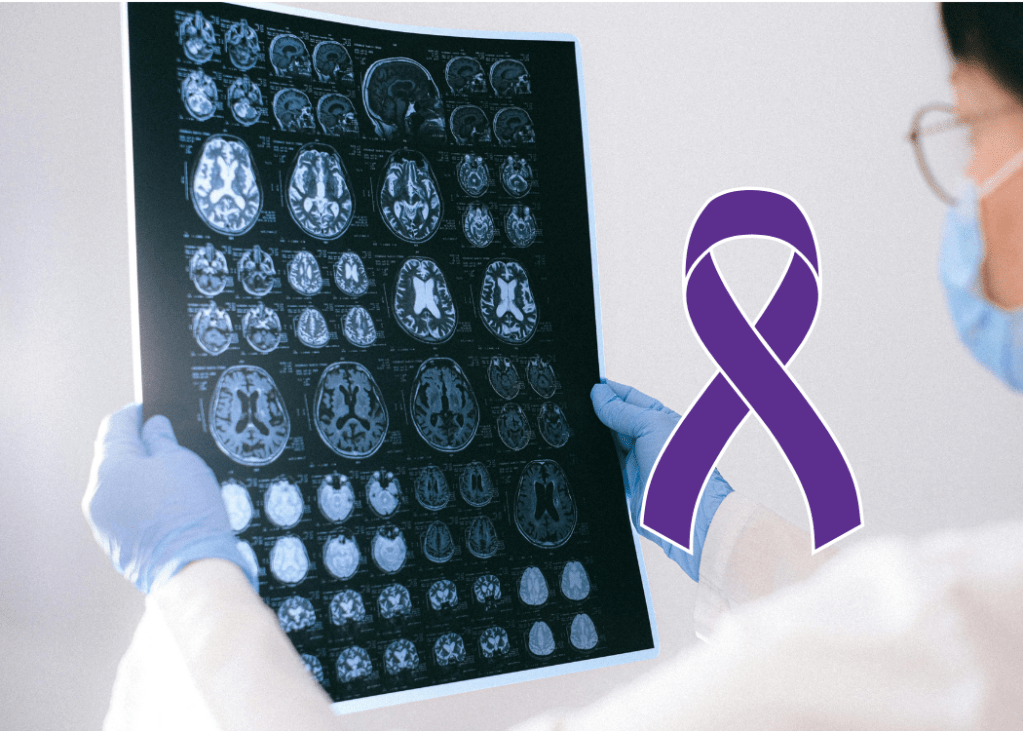
Regeneration Biomedical’s Phase 2 clinical trial of its direct-to-brain autologous stem cell therapy for Alzheimer’s disease has cleared a 30-day review period with the FDA, allowing the trial to proceed. This marks the next step in evaluating a novel approach that delivers a patient’s own stem cells directly into the brain’s ventricles, a method designed to bypass the blood-brain barrier and target affected neural tissue more precisely.
In the completed Phase 1 study, investigators used this “direct-to-brain” technique for the first time in humans. Early results showed the procedure was feasible and safe, with initial indications of cognitive improvement—an effect RBI says has not been observed with any of the currently available Alzheimer’s drugs.


Companies developing FDA-cleared drugs for Alzheimer’s have reported reductions in amyloid plaque, but none have demonstrated significant cognitive benefit. Additionally, approved drugs carry risks such as amyloid-related imaging abnormalities (ARIA), which can lead to brain swelling and bleeding.
Regeneration Biomedical reports that its therapy is based on a new regenerative concept. The company hypothesizes that these “supercharged” autologous stem cells may activate dormant stem cells in the brain’s ventricular walls, potentially supporting repair of damaged neuronal networks. This mechanism remains under investigation.
Note – We were unable to find information on what “supercharged” means from the press release. On their website they mention culture-expanded adipose-derived mesenchymal stem cells, and that “genetically modified stem cells may lose their pluripotent capabilities. For these reasons, we focus our research on autologous, non-modified stem cells”.
The Phase 2 trial will enroll approximately 115 patients at five U.S. medical centers. The primary goals are to assess safety and begin determining whether this therapy can slow or alter the progression of Alzheimer’s disease in a statistically significant way. The company is also seeking additional funding to expand research into other neurodegenerative conditions, including amyotrophic lateral sclerosis (ALS), multiple sclerosis, Parkinson’s disease, and chronic traumatic encephalopathy.
Dr. Christopher Duma, Founder of RBI and inventor of the direct-to-brain injection technique, stated: “Our entry into Phase 2 underscores the promise and rigor of our direct-to-brain methodology.”
Bill Miller, CEO of RBI, added: “Our readiness to move forward represents more than just a clinical milestone — it validates our mission to pioneer a new class of regenerative therapies for patients who, despite the recent approvals of donanemab and lecanemab, still lack treatments that improve cognition and are not burdened by serious side effects. We are now preparing to scale this effort with a world-class Phase 2 program, and we welcome strategic investment from family offices, institutions, and qualified individuals who share our vision of transforming the future of Alzheimer’s and other neurodegenerative diseases.”
Alzheimer’s disease affects over 6 million people in the United States and remains a significant unmet medical need. Regeneration Biomedical reports that, if successful, its therapy could be the first regenerative, direct-to-brain intervention targeting the cellular deficits underlying neurodegeneration.
For more information on the company and its programs, visit regenbiomed.com.
Want to keep up on regenerative medicine? Get the weekly newsletter here.