Celularity to License its Amniotic Biologics to Opthalmic Startup DefEYE

Celularity and DefEYE’s agreement aims to accelerate the development and commercialization of advanced regenerative biologic solutions for ophthalmic care.

Celularity, a birth-tissue regenerative biologics company, has announced an exclusive licensing agreement with a relatively new ophthalmic biotech company, DefEYE

Celularity has also executed an in-kind investment of $12M in the DefEYEs Series Seed Preferred Equity Round. 

Proceeds from the funding round are expected to support the launch and expansion of decellularized biologic solutions for eye care. The planned product portfolio includes:

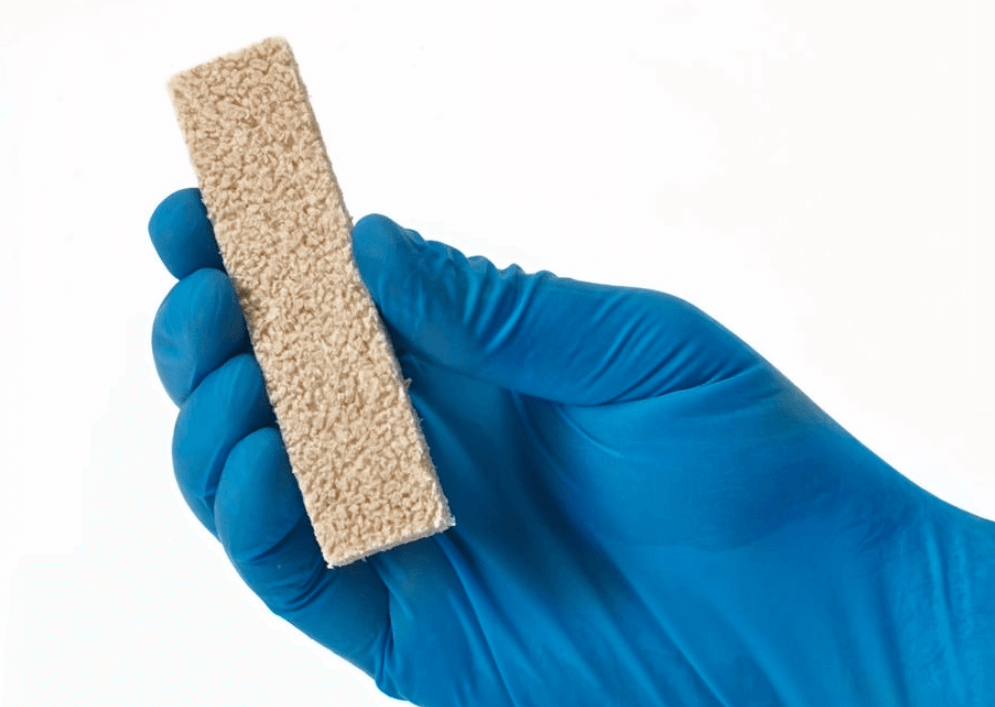
  • Single- and tri-layer Decellularized Amniotic Basement Membrane (Biovance® and Biovance® 3L Ocular)
  • Interfyl®, a flowable human connective tissue derived from the chorionic plate
  • Collaborative research and development for future commercial products

The agreement grants DefEYE an exclusive sublicense to Celularity’s ophthalmic biologics portfolio, with Celularity serving as the exclusive contract manufacturer for these biologic solutions.

“This strategy fits into our objective of accessing new markets for our portfolio of commercial products,” said Robert J.Hariri, M.D., Ph.D., Celularity’s Chairman and CEO

DefEYE’s leadership team includes key members from Verséa Ophthalmics, and as part of the agreement, Celularity will have the right to appoint one member to DefEYE’s board of five directors.

Want to keep up on regenerative medicine? Get the weekly newsletter here.

If you found this post helpful, would you mind sharing it? ⬇️ 

The Latest

Building on its momentum in the East, MEDIPOST received a Phase 2 waver, and is heading right for Phase 3 in the US this year. This is one to watch.
The partnership will focus on bringing oral mucosal stem cell therapy for diabetic foot ulcers to Florida, with FDA trials planned.
FDA clearance of Theracor introduces a new sheet-form umbilical cord device, expanding options for advanced wound care management.
The new graft material is designed for improved integration with patients' tissues, and it's available through distributors now.

Related Content:

Researchers are exploring whether SIRT1 gene therapy can protect human retinal cells from damage linked to optic neuropathies.
The trial will test whether lab-grown photoreceptor cells can be safely transplanted to help people with inherited vision loss.
The Bayer owned company just starting dosing patients with OpCT-001, an iPSC-derived cell therapy aiming to restore vision in inherited retinal diseases.
This milestone positions BlueRock Therapeutics to accelerate clinical development of OpCT-001, aiming to restore vision in patients facing irreversible blindness.

Discover more from Regen Report

Subscribe now to keep reading and get access to the full archive.

Continue reading

Stay updated on Regenerative Medicine