Japan says iPSCs ready for mainstream adoption, in final approval stages to cover stem cell therapy for retinas under national health insurance
Japan is reportedly in the final stages of approving the first induced pluripotent stem cell (iPS cell) treatment for inclusion in its national healthcare system. Approval would position Japan among the first countries to integrate iPS procedures into its healthcare coverage. The treatment targets a rare, incurable eye disease that leads to vision loss, and […]
Japan is reportedly in the final stages of approving the first induced pluripotent stem cell (iPS cell) treatment for inclusion in its national healthcare system. Approval would position Japan among the first countries to integrate iPS procedures into its healthcare coverage.
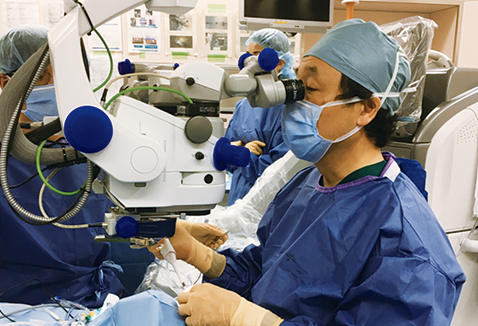
The treatment targets a rare, incurable eye disease that leads to vision loss, and researchers place iPS stem cells behind the retina to promote regrowth. The Kobe City Eye Hospital has applied for the procedure to be classified as “advanced medical care” under Japan’s national health insurance. Despite this designation, patients would still pay approximately ¥14.75 million JPY, or around $100,000 USD, for the procedure, though accompanying medical care costs could be significantly reduced by insurance.
“It has been 10 years since the first iPS clinical trials, and we have now come to the point of mainstream adoption,” hospital director Yasuo Kurimoto told reporters at Japan Forward, “We want to lead the world in this field of medicine.”
Get Regen Report in your inbox
Weekly updates on regenerative medicine news, trials, and regulatory moves.

The hospital targets “retinitis pigmentosa,” affecting the retina’s ability to sense light. The treatment involves using stem cells to create “retinal pigment epithelial cells,” which are then transplanted into patients’ eyes.
Approvals Needed
The procedure has been recommended for approval by a committee for new medical advances and must now pass a technical subcommittee. The clinical study has been conducted with three patients, showing steady progress and improved vision.
Japan is actively developing iPS cell treatments, with research expanding into applications like Parkinson’s disease and cancer. In June 2024, the Japanese government approved new policies promoting iPS cell research and development and established an international hub in Osaka for healthcare development.
Kyoto University professor Shinya Yamanaka was awarded a Nobel Prize in 2012 for his work in reprogramming mature cells into stem cells. This discovery paved the way for stem cell treatments without using embryonic cells. Yamanaka continues efforts to make this technology more affordable through initiatives like the “my iPS Project.”