Key findings
- Cyto-Facto will manufacture Steminent’s allogeneic mesenchymal stem cell product, Stemchymal, in Japan.
- The companies plan to work toward tech transfer and a formal contract manufacturing agreement for commercial supply in Japan, while seeking conditional approval soon.
- Stemchymal is being developed for Spinocerebellar Ataxia, with Phase II trials completed in Japan and Taiwan.
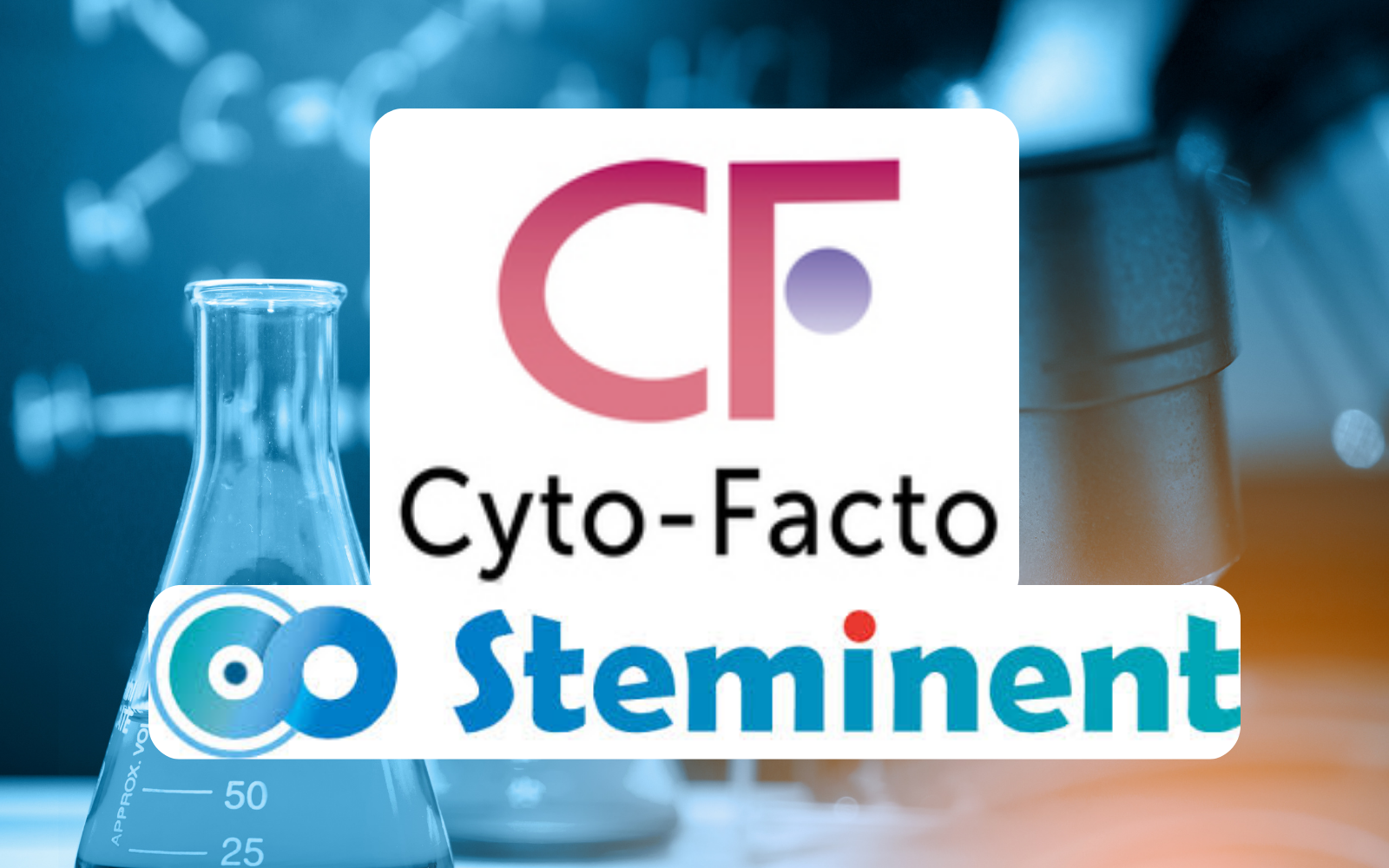
Japanese CDMO Cyto-Facto has signed a letter of intent (LOI) with Taiwanese biotech developer Steminent Biotherapeutics to manufacture its mesenchymal stem cell (MSC) therapy, Stemchymal.

What is Stemchymal?
Stemchymal is an allogeneic (donor-sourced) adipose-derived mesenchymal stem cell (MSC) therapy. The cells are harvested, culture-expanded (placed in lab conditions that promote cell division), mixed with saline, and administered IV for neurological conditions.
It’s currently being trialed for Spinocerebellar Ataxia, a disorder characterized by unsteadiness, hand tremors, and slurred speech, likely due to cerebellar pathology. Stemchymal completed its Phase II in both Japan and Taiwan a few years ago. The results reportedly were both safe and showed signs of efficacy. On the Steminent Biotherapeutics website, they state, “Stemchymal® showed good safety evidence in this phase II trial. Stemchymal® also showed potential therapeutic benefits by slowing down the disease progression in the targeted patient group. More patients in the treatment group showed improvement compared with those in the placebo group.”
In 2018, Stemchymal received Orphan Drug Designation in Japan and an IND from the FDA to do trials here.
The Scale Up
Now that Phase II data look promising, with more trials underway, they’ve selected Cyto-Facto as their CDMO. Japan’s REPROCELL holds the exclusive commercial license for Stemchymal and is preparing an application for conditional approval, the companies said.
They’re currently working out the details on:
- the manufacturing framework
- facility preparations
- technology transfer for commercial production
What company leaders said
Ling-Mei Wang, Chairman & CEO, Steminent Biotherapeutics Inc.
“In anticipation of stable commercial supply following regulatory approval in Japan, we evaluated several CDMOs in Japan. Among them, we highly value Cyto-Facto’s strong leadership under CEO Mr. Ishibashi, its extensive track record in cell manufacturing, deep understanding of Japanese regulatory and quality systems, and its ability to maintain highly controlled facilities. This LOI represents an important step toward establishing a future international manufacturing and supply platform, and we are committed to bringing a new treatment option to patients with spinocerebellar ataxia (SCA) in Taiwan and Japan as early as possible.”
Yasunori Ishibashi, President & CEO, Cyto-Facto Inc.
“Cyto-Facto is honored to have been selected by Steminent as its Japan-based CDMO for the manufacturing of Stemchymal, an innovative regenerative medicine product. Steminent, a leader in cell therapy with a proven track record and robust R&D capabilities, is currently pursuing conditional approval in both Taiwan and Japan. Leveraging our GMP-compliant manufacturing
infrastructure, we will work closely with Steminent as a trusted partner to establish a high-quality manufacturing system and support scale-up toward the stable commercial supply of the product.”
Company snapshots
Cyto-Facto provides contract development and manufacturing organization (CDMO) services for gene and cell therapy products. The company says its manufacturing facilities are PIC/S GMP- and CGTP-compliant, and that it supports modalities including CAR-T, MSCs, and induced pluripotent stem cells (iPSCs).
Steminent is a Taipei-based stem cell biopharmaceutical company focused on developing regenerative medicine products using its proprietary stem cell platform technology. The company says it is advancing cell therapies across Taiwan, Japan, Korea, and the US.
More information: cytofacto.com and steminent.com.
Want to keep up on regenerative medicine? Get the weekly newsletter here.