ENCell Receives FDA Orphan Drug for DMD Stem Cell Therapy
ENCell's umbilical cord-derived mesenchymal stem cell therapy candidate EN001 received FDA orphan drug designation for Duchenne muscular dystrophy, marking its second designation after Charcot-Marie-Tooth disease and positioning it as a potential platform therapy for rare neuromuscular diseases.
Key findings
- ENCell’s stem cell therapy EN001 received FDA orphan drug designation for Duchenne muscular dystrophy (DMD)
- This marks EN001’s second orphan drug designation, following Charcot-Marie-Tooth disease
- The company says the dual designations position EN001 as a platform therapy for rare neuromuscular diseases
Stay updated on Neuroregeneration news
Thanks! Your signup has been saved.
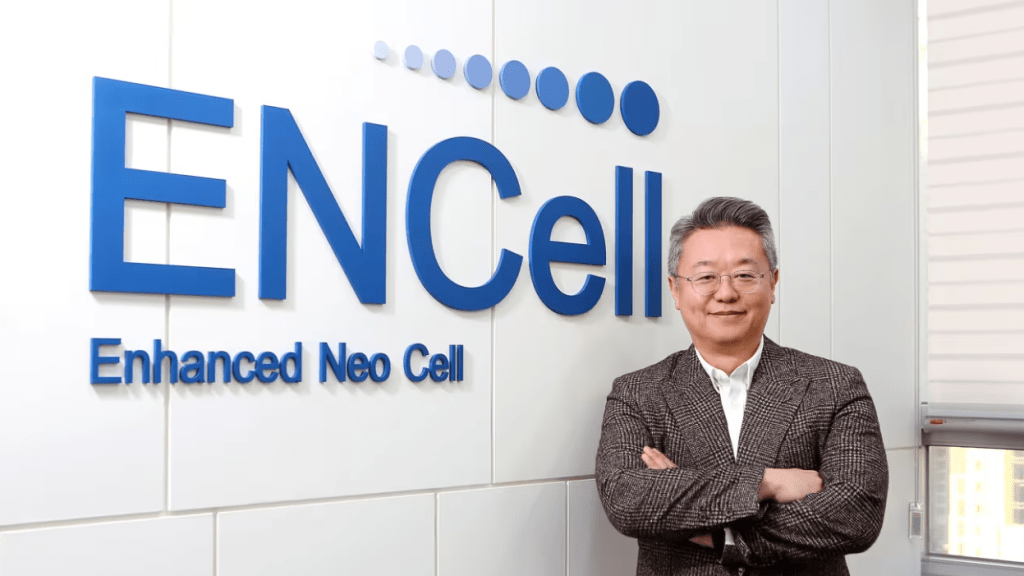
ENCell, a South Korean biotech company,has received FDA orphan drug designation (ODD) for its allogeneic (donor-derived) umbilical cord-derived mesenchymal stem cell (MSC) therapy candidate EN001 for Duchenne muscular dystrophy (DMD). This follows a previous orphan drug designation for Charcot-Marie-Tooth disease (CMT), a rare neurological disorder.
The FDA’s orphan drug designation encourages development of treatments for diseases affecting fewer than 200,000 people in the US. Benefits include seven years of market exclusivity after approval, tax credits for clinical expenses, and expedited review processes.
What is Duchenne muscular dystrophy?
DMD is a rare, fatal pediatric disease caused by mutations in the dystrophin gene, which encodes a protein essential for maintaining muscle structure. As muscle strength progressively weakens, most patients lose the ability to walk during their teenage years. Current treatment options that can fundamentally halt disease progression remain limited. The condition is characterized by progressive muscle degeneration, requiring treatment strategies that control muscle tissue inflammation and preserve function.
How EN001 works
EN001 uses allogeneic umbilical cord-derived mesenchymal stem cells (WJ-MSCs) processed through ENCell’s proprietary cell-culture platform technology called “ENCT (ENCell Technology).” The company says this technology suppresses cellular aging and enhances the secretion of anti-inflammatory and tissue-regeneration factors. ENCell believes this mechanism could be effective both in repairing peripheral nerve damage and controlling inflammation in muscle tissue while preserving function.
“This additional orphan drug designation is an objective recognition that EN001 is a platform technology applicable across intractable rare diseases with high unmet medical needs, beyond a single indication,” said CEO Jang Jong-uk. “Securing ODDs in two indications has greatly expanded our options for global technology transfer and business expansion. We will accelerate clinical development and focus our capabilities on delivering tangible global results.”
Want to keep up on regenerative medicine? Get the weekly newsletter here.
Similar stories
 Wolwo Bio Subsidiary Receives Chinese Trial Authorization for Umbilical Cord Mesenchymal Stem Cell Therapy for Sepsis
 New Trial – Phase II Umbilical-Cord Stem Cells for Amyotrophic Lateral Sclerosis
 New Trial – Intranasal Stem Cells for Perinatal Brain Injury and Cerebral Palsy
 Made Scientific Acquires Resilience’s 85K-Square-Foot Cell Therapy Facility
Editor’s Picks
 Century Therapeutics Reports Sustained Glucose Control With iPSC-Derived Islets in Diabetic Mice, IND Soon
 Inside Cellular Intelligence: The Zuck-Backed AI Company That Acquired Novo’s Parkinson’s Cell Therapy
 Webinar: Scaling iPSC Therapies Without Scaling VariabilityOn-Demand
 Aspen Neuroscience Publishes Preclinical Data on Parkinson’s iPSC-Derived Cell Therapy