Cord Blood Cells Showed Modest Benefits in Autism Trial
A small trial tested whether repeated donor cord blood cell infusions could safely influence social symptoms in children with autism and blood signs of immune dysregulation.
Key Points
- The cell-treated group had modest gains on the main social symptoms scale after 13 weeks.
- Several other major measures showed no significant differences between groups.
- No major transplantation-related adverse events were reported.
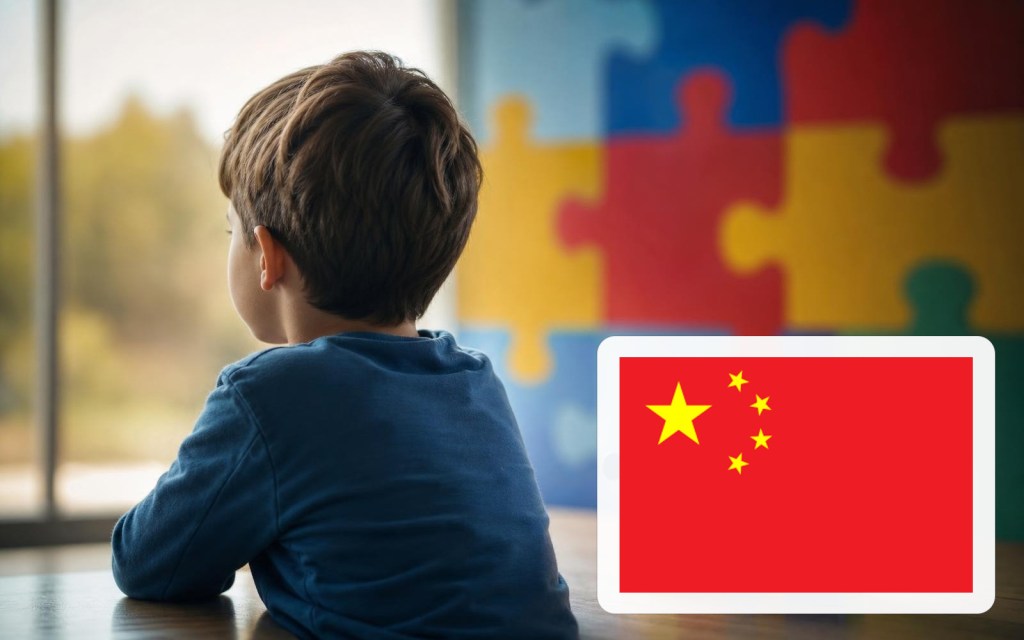
In a newly published double-blind, placebo-controlled trial in China, 36 children aged 3 to 8 with autism spectrum disorder and blood signs of immune dysregulation were randomized and received four infusions. Of those, 34 completed the final follow-up and were included in the efficacy analysis. Repeated infusions of donor umbilical cord blood mononuclear cells led to a modest improvement on the study’s main measure of social symptoms after 13 weeks. The treatment did not cause major transplantation-related side effects, but the benefits were limited to some parts of the symptom picture and need confirmation in larger studies.

It’s also important to note that stem cells for autism is a highly controversial topic, see Duke’s previous work.
For families and clinicians, autism treatment still depends largely on behavioral and rehabilitation programs. The paper notes that no specific drug treatments address the core symptoms directly, which has pushed researchers to look at whether some children might benefit from therapies aimed at the biology behind inflammation and immune imbalance.
The study, published in Stem Cell Research & Therapy, came from researchers at the Chinese PLA General Hospital. Rather than testing this approach in autism broadly, the team focused on a subgroup of children whose blood tests showed peripheral immune dysregulation, meaning at least one inflammatory signal in blood was clearly above the lab’s normal range.
The therapy used UCB-MNCs, a mixed population of cells collected from donated umbilical cord blood, which can be prepared from healthy donors as an off-the-shelf product and may modulate inflammation linked to symptoms.
How the trial worked
All children continued their usual rehabilitation while being randomly assigned to the cell treatment or a saline placebo. The treatment group received four weekly intravenous infusions, and the researchers measured changes at week 4 and again at week 13.
By the final follow-up, the clearest signal came from the Social Responsiveness Scale-2, a parent-completed questionnaire that tracks social difficulties. Compared with placebo, the treated group showed a greater drop in the total score, and an even larger change in the social cognition section, which reflects how well a child interprets social information.
That is a narrower result than saying the therapy broadly improved autism. Several other major measures did not show statistically significant differences between groups by the end of follow-up, including the main adaptive behavior scores on the Vineland scale. Some secondary measures shifted earlier, at week 4, but these were not the trial’s central result.
Safety and what remains unclear
The short-term safety picture was reassuring. In the treatment group, four children had transient excitement after treatment and one had a transient low-grade fever. Those five children experienced seven adverse-event episodes in total, including one Grade 2 event. No Grade 3 to 5 or major transplantation-related adverse events were reported, and blood, liver and kidney tests did not show broad signs of harm over the study period.
Even so, this was an exploratory study from a single center, with 17 children per group in the efficacy analysis and only 13 weeks of follow-up. The outcome measures relied heavily on rating scales completed by parents or clinicians, and all participants were selected for immune dysregulation, so the findings do not show that this approach would help children with autism more generally. The study also does not yet explain exactly how the cells might be working, leaving durability, mechanism and patient selection open questions.
Want to keep up on regenerative medicine? Get the weekly newsletter here.