Xylyx Bio Announces FDA Orphan Drug Designation and NIH Grant for Investigational Human Whole-Lung Graft
The $2,999,266 award will support two years of safety and feasibility research, including planned first-in-human transplantation studies of the investigational graft.
Key Points
- FDA granted Orphan Drug Designation to Xylyx Bio’s Inspirex Lung, an investigational human whole-lung graft for lung failure requiring lung transplantation.
- Xylyx Bio received a two-year, $2,999,266 NIH grant to support safety and feasibility studies, including first-in-human transplantation studies.
- The company’s cross-species circulation platform is designed to repair injured donor lungs that would otherwise go unused.
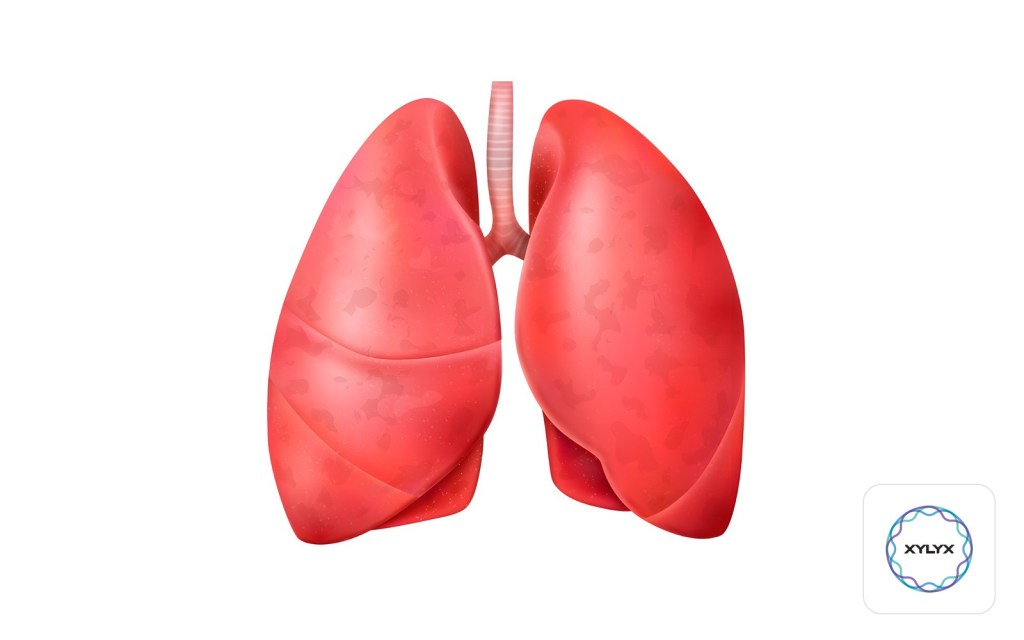
Xylyx Bio, Inc., a regenerative medicine company developing bioengineered technologies for organ transplantation and tissue repair, announced that FDA granted Orphan Drug Designation to Inspirex Lung, its lead investigational human whole-lung graft for lung failure requiring lung transplantation. The company also received a $2,999,266 Small Business Innovation Research (SBIR) grant from the National Heart, Lung, and Blood Institute (NHLBI) of the NIH to support translational development and clinical evaluation. Inspirex Lung has not been approved by FDA or any other regulatory authority.
Stay updated on Tissue Engineering news
Thanks! Your signup has been saved.
Lung transplantation can be lifesaving for patients with end-stage lung disease, yet more than 75% of donor lungs go unused, often due to acute, reversible injury, according to Xylyx Bio. The company’s XC Platform uses xenogeneic (cross-species) cross-circulation to provide systemic physiologic support to injured donor lungs. The process is intended to repair the lungs and restore them to meet standard transplant criteria, producing Inspirex Lung.
“Patients with lung failure often die waiting for a transplant, while most donated lungs are not used,” said Andrea Nye, MPH, MBA, president and chief executive officer of Xylyx Bio. “Inspirex Lung is designed to address both sides of that equation by restoring injured donor lungs that would otherwise go unused to increase the number of lungs available for transplantation.”
Development support
Xylyx Bio said its translational work using xenogeneic cross-circulation for donor lung repair has been demonstrated in preclinical research published in peer-reviewed journals, including Nature Medicine and The Journal of Heart and Lung Transplantation.
FDA Orphan Drug Designation is intended to encourage the development of treatments for rare diseases or conditions affecting fewer than 200,000 people in the United States. Subject to applicable requirements, sponsors of designated products may be eligible for tax credits for qualified clinical trial expenses and exemption from marketing application user fees, and may have the potential for seven years of orphan drug market exclusivity following marketing approval.
The NIH Direct-to-Phase II SBIR grant provides $2,999,266 in non-dilutive funding over two years to support safety and feasibility studies of Inspirex Lung, including first-in-human transplantation studies. The NHLBI award number is R44HL182545.
John O’Neill, PhD, chief scientific officer of Xylyx Bio, said: “With Xylyx’s xenogeneic cross-circulation platform, we’re working to move beyond organ preservation and short-term assessment toward active, sustained organ repair.”
Want to keep up on regenerative medicine? Get the weekly newsletter here.
Similar stories
 Humacyte’s Vascular Tissue Graft Nabs FDA Authorization for 36-Month Shelf Life
 Made Scientific Selected to Manufacture Columbia University’s NOVAKnee, a 3D Printed Knee Replacement Made of Stem Cells and Scaffolds
 BioStem Technologies Receives 5 Patents for Placental Allografts
 Kangstem Publishes Promising Phase 1 Results for Cord-Blood Derived Stem Cell Therapy in Knee Osteoarthritis, Post-MRI Data Suggest Potential Cartilage Regeneration
 Royal Biologics and Jellagen Bringing Jellyfish-Derived Collagen Type Zero to the US Regenerative Medicine Market
 Colorado Boulder’s Injection Shows Promise for Reversing Osteoarthritis, Advancing ARPA-H Project
 Orthocell Secures US Department of Defense Approval for Remplir Collagen Nerve Wrap
 Scripps Health Receives $12.7 Million Grant for Stem Cell Knee Research