Stem Cell Expansion System: Terumo and Akron Bio Publish Results Showing Equivalency From Research to Manufacturing Grade Stem Cell Expansion Fibronectin
Terumo Blood and Cell Technologies (Terumo BCT) and Akron Bio say they’ve completed a collaborative study demonstrating equivalency between research-use-only (RUO) and Good Manufacturing Practices (GMP)-grade fibronectin for expanding mesenchymal stem cells (MSCs) on the Quantum Flex™ Cell Expansion System. The goal of the study was to address one of the longstanding bottlenecks in MSC […]
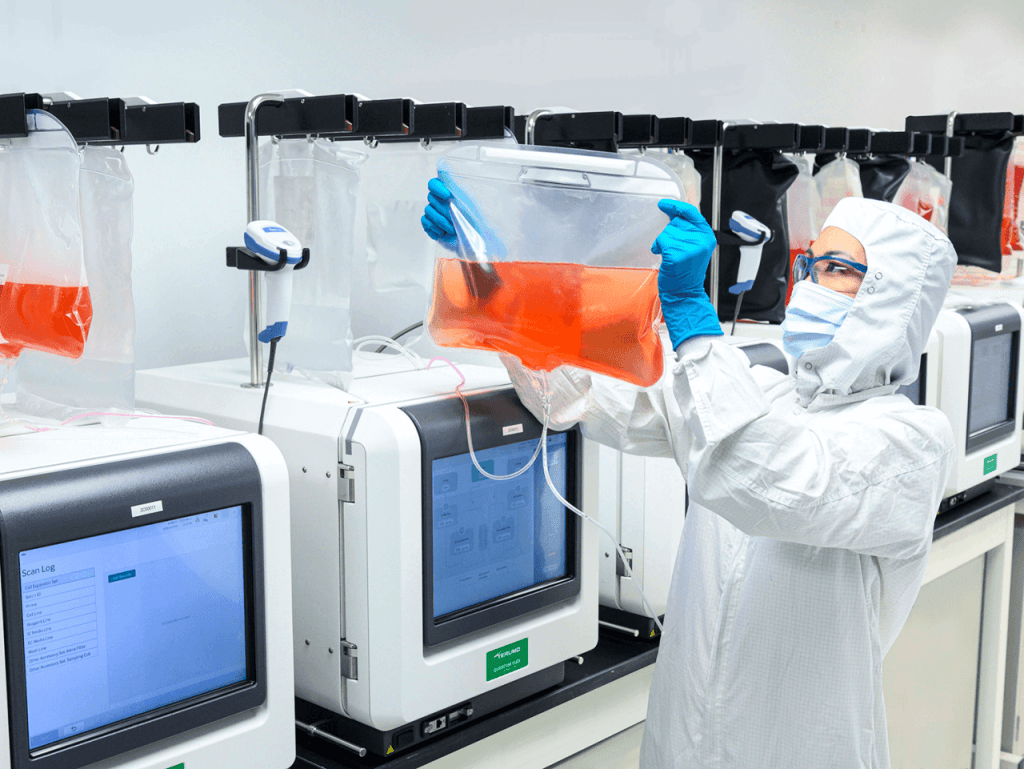
Terumo Blood and Cell Technologies (Terumo BCT) and Akron Bio say they’ve completed a collaborative study demonstrating equivalency between research-use-only (RUO) and Good Manufacturing Practices (GMP)-grade fibronectin for expanding mesenchymal stem cells (MSCs) on the Quantum Flex™ Cell Expansion System.
The goal of the study was to address one of the longstanding bottlenecks in MSC development: the transition from clinical trial RUO to commercial-level GMP-grade fibronectin.
Stay Ahead in Regenerative Medicine
Thanks! Please confirm your email using the link we sent from Jeremy@RegenReport.com (check spam too please).
Conducted at Terumo BCT’s Lakewood site, this study could pave the way to scale MSC-based therapies from research to clinical manufacturing, potentially streamlining the path to market. The full results have been published in Cytotherapy here.
The study indicates that Terumo BCT’s Quantum Flex platform, when paired with Akron Bio’s GMP-grade virus-inactivated fibronectin reagent, may provide a scalable and compliant solution for MSC expansion, which is essential in developing therapies in regenerative medicine. A two-passage process was employed to capture real-world MSC-based processes more accurately.
The data suggest that developers can transition from RUO reagents to Akron’s GMP-grade reagents without altering process outcomes, addressing a significant challenge for MSC-based therapies in terms of regulatory compliance and production consistency. They mention that results indicate no statistically significant differences were observed across key metrics, potentially ensuring MSC quality and adherence to International Society for Cell & Gene Therapy (ISCT) standards throughout scale-up.
“As suppliers of critical ancillary materials, it is vital that we meet cell and gene therapy developers’ need for quality and consistency, mitigating potential sources of chemistry, manufacturing and controls (CMC) risk to enable a seamless transition from research to clinical manufacturing,” said Ezequiel Zylberberg, VP of Corporate Development at Akron Bio. “The data presented in this study demonstrate the compatibility of Akron’s fibronectin with Terumo BCT’s novel automation platform, offering Quantum Flex users a robust substrate to accelerate development.”
This advancement may help enable faster, more reliable commercialization options for therapy developers where GMP-grade fibronectin supply has been a hurdle. Japan’s Pharmaceuticals and Medical Devices Agency (PMDA) has provided eligibility confirmation to Akron’s GMP fibronectin (PMDA notification no. 1205004), confirming compliance with requirements for animal- and human-derived materials defined in the Japanese Standards for Biological Raw Materials (JSBRM).
About the Quantum Flex™ Cell Expansion System:
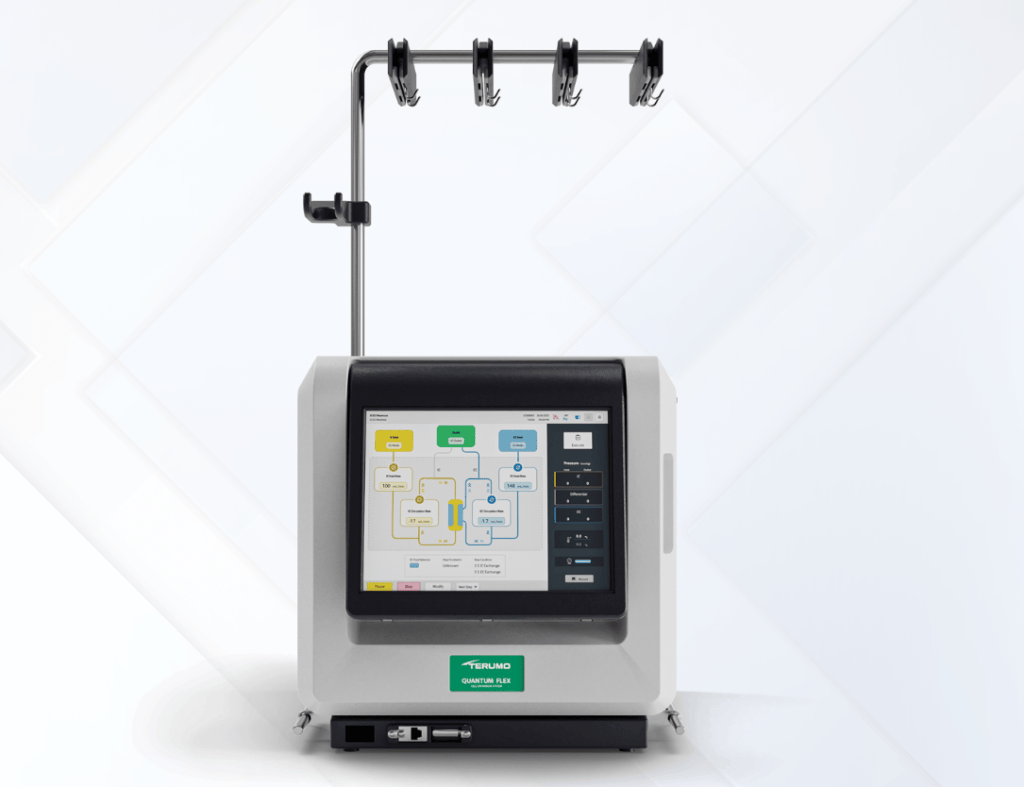
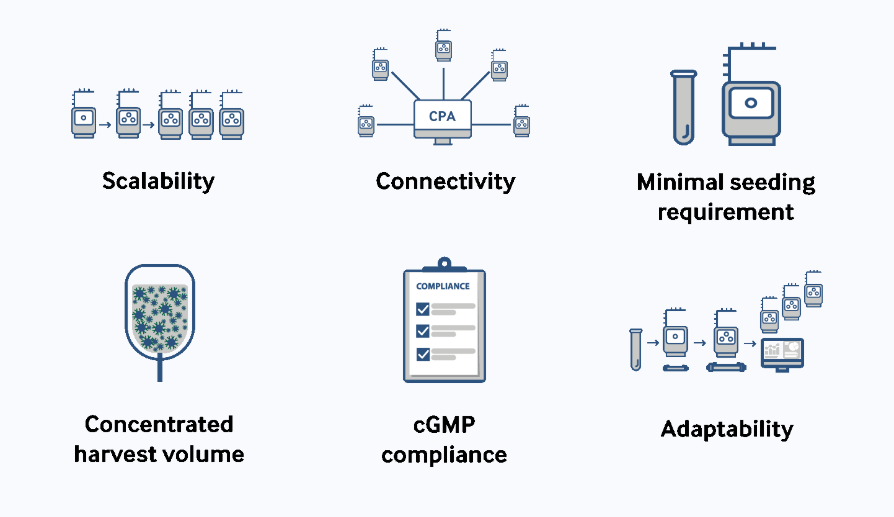
Quantum Flex is an automated and functionally closed-cell expansion system designed to meet the needs of cell therapy developers throughout their commercialization journey, from process development through manufacturing. The platform can process autologous (from a person’s own body) and allogeneic (from a donor) applications, as well as viral vector and exosome production, across multiple bioreactor sizes, allowing for process efficiencies in batch size. The Quantum Flex system’s hollow-fiber perfusion technology provides a cell culture environment where cells gain continuous access to fresh media, waste removal, and gas exchange, ensuring optimal conditions for expansion. Quantum Flex also features advanced software to support cGMP compliance, with user authentication, batch records, and fleet management features allowing for easy deployment of protocols to multiple systems.
Similar stories
 Wolwo Bio Subsidiary Receives Chinese Trial Authorization for Umbilical Cord Mesenchymal Stem Cell Therapy for Sepsis
 New Trial – Phase II Umbilical-Cord Stem Cells for Amyotrophic Lateral Sclerosis
 New Trial – Intranasal Stem Cells for Perinatal Brain Injury and Cerebral Palsy
 Made Scientific Acquires Resilience’s 85K-Square-Foot Cell Therapy Facility
Editor’s Picks
 Century Therapeutics Reports Sustained Glucose Control With iPSC-Derived Islets in Diabetic Mice, IND Soon
 Inside Cellular Intelligence: The Zuck-Backed AI Company That Acquired Novo’s Parkinson’s Cell Therapy
 Webinar: Scaling iPSC Therapies Without Scaling Variability
 Aspen Neuroscience Publishes Preclinical Data on Parkinson’s iPSC-Derived Cell Therapy