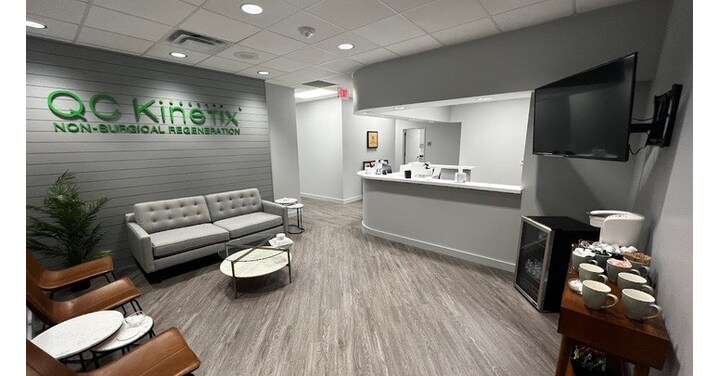
QC Kinetix says it has relaunched its national franchise development initiative after completing a year-long brand transformation focused on strengthening operations, improving clinic performance, and increasing unit-level profitability.
This follows their announcement earlier in the year when they announced they’ll increase standard platelet dosing for PRP injections to 10 billion, along with implementing a unified registry.
In July 2024, the company launched the ‘QCK 2.0 transformation plan,’ and now, a little over a year later, they improved average clinic profitability by 22.51 percentage points from 2.20% to +24.71%.

Mark Montini, CEO of QC Kinetix, said: “Delivering the best possible outcomes for our patients and driving asset value for our franchise owners remain our top priorities. We made the intentional decision to pause development a year ago to strengthen our foundation, and the results have validated that choice. By instilling discipline and focusing on a few critical success drivers, we’ve built meaningful momentum for the brand. That combination makes this the right moment to begin growing again—six months earlier than we originally anticipated.”
The QCK 2.0 initiative was structured as a three-phase overhaul of QC Kinetix’s business model and support systems for franchisees. Key elements included:
- Renewed cultural alignment among franchise owners, their teams, and corporate leadership around patient care and business outcomes
- Enhancements to operating models aimed at greater efficiency and clinical performance
- Expanded support resources for franchisees
- A refocus on original service lines as core offerings
- Strategic consolidation of clinics to better allocate resources across markets
Looking ahead, QC Kinetix plans a two-part growth strategy:
- New Franchise Development: Targeting 50 new owners and 120 new clinics over two years with an emphasis on experienced operators who align with company values.
- Refranchising: Transitioning selected corporate-owned clinics into franchises to enable more direct support while creating opportunities for qualified operators.
Montini added: “Our franchise owners, their teams, and our corporate support staff have worked incredibly hard over the past year to completely transform our amazing brand and strengthen our foundation for growth… Their efforts have put us in a strong position to begin welcoming new owners as we continue our leadership of the regenerative revolution.” QC Kinetix offers franchise opportunities suitable for both medical professionals and investors interested in business operations. Startup costs range from $250,100–$655,080 per single clinic; multi-unit investments start at $350,100.** For more details about franchising with QC Kinetix, visit their website here.
About QC Kinetix:
Founded in 2017 in Charlotte (North Carolina), QC Kinetix specializes in non-surgical biologic-based treatments intended to help patients manage joint pain or musculoskeletal injuries by stimulating natural healing processes (often using cell-based therapies). The company began franchising in 2020; today it operates more than 100 clinics nationwide with plans reported for expansion up to approximately 350 locations.
Want to keep up on regenerative medicine? Get the weekly newsletter here.