First Lupus Patients Dosed With Cabaletta Bio’s Rese-Cel, Manufactured on Cellares’ Automated Cell Shuttle Platform
Cellares said its automated Cell Shuttle platform successfully produced GMP-compliant rese-cel doses for Cabaletta Bio’s RESET trial, marking an early proof point that automation can help lower costs and scale autologous CAR T manufacturing for autoimmune diseases.

Key Points
- Cellares said the first two GMP rese-cel doses made on its automated Cell Shuttle platform met release specifications, were delivered on time, and were infused in Cabaletta Bio’s RESET clinical program.
- The companies spent about three years adapting Cabaletta’s rese-cel manufacturing process to the Cell Shuttle and generating comparability data that supported FDA clearance of an IND amendment.
- The milestone is an early proof point for automated manufacturing of autologous (sourced from the patient) CAR T therapies in autoimmune disease, where cost and scale remain major constraints.
Manufacturing Milestone
Cabaletta Bio’s investigational CAR T cell therapy, rese-cel, has now been infused into the first two patients, manufactured on Cellares’ Cell Shuttle automated manufacturing platform. According to the company, the first two GMP doses met all release specifications and were delivered on time for use in Cabaletta’s RESET CAR T trial for Lupus.
Stay updated on Cell & Gene news
Thanks! Your signup has been saved.
It’s an important manufacturing milestone for autologous (sourced from the patient) cell therapy. In practical terms, it shows that an automated platform can produce a clinical-grade product for patient dosing in an active trial, which may address longstanding issues in autologous CAR T manufacturing, including high cost, limited scalability, process variability, and operational complexity.
Those issues have been especially relevant as autologous CAR T moves beyond oncology and into autoimmune disease, where broader patient populations could place more pressure on manufacturing capacity. Cellares said its Cell Shuttle platform, together with its Cell Q quality control system, is intended to support more standardized production with fewer manual steps and lower cost per dose.
How the Companies Got Here
Cabaletta began working with Cellares in 2023 to adapt the rese-cel manufacturing process to the Cell Shuttle platform. Over the following three years, the companies generated comparability data through process development and engineering runs, comparing the automated process with Cabaletta’s established manufacturing process.
Cellares said that dataset supported the submission of an IND amendment and subsequent FDA clearance to use the Cell Shuttle platform for clinical manufacturing of rese-cel.
About Rese-cel and the Platform
Rese-cel, previously known as CABA-201, is an investigational autologous CAR T cell therapy for autoimmune diseases. It uses a fully human CD19 binder and a 4-1BB co-stimulatory domain. Cabaletta is developing the therapy as a single weight-based infusion intended to transiently and deeply deplete CD19-positive cells, with the goal of resetting the immune system and reducing the need for chronic therapy.
Cabaletta is evaluating rese-cel as part of its RESET clinical development program across autoimmune diseases in rheumatology, neurology, and dermatology.
Here’s a demo on the Cell Shuttle Platform:
Want to keep up on regenerative medicine? Get the weekly newsletter here.
Similar stories
 Vyriad Begins Mayo Clinic CAR-T Phase 1 for Multiple Myeloma
 FDA Clears AbelZeta’s CAR-T Trial for Progressive MS
 FDA Clears Colorado University Anschutz’ CAR T-Cell Trial for Colorectal Cancer
 Fate Therapeutics Launches CAR T Trial for Lupus Nephritis
Editor’s Picks
 Century Therapeutics Reports Sustained Glucose Control With iPSC-Derived Islets in Diabetic Mice, IND Soon
 Umbilical Cord Mesenchymal Stem Cell Injections Lower Pain Scores More Than Hyaluronate in 50-Patient Severe Knee Osteoarthritis Trial
 Stempeutics Nabs US Patent for Osteoarthritis Treatment Combining Bone Marrow Stem Cells and Hyaluronic Acid
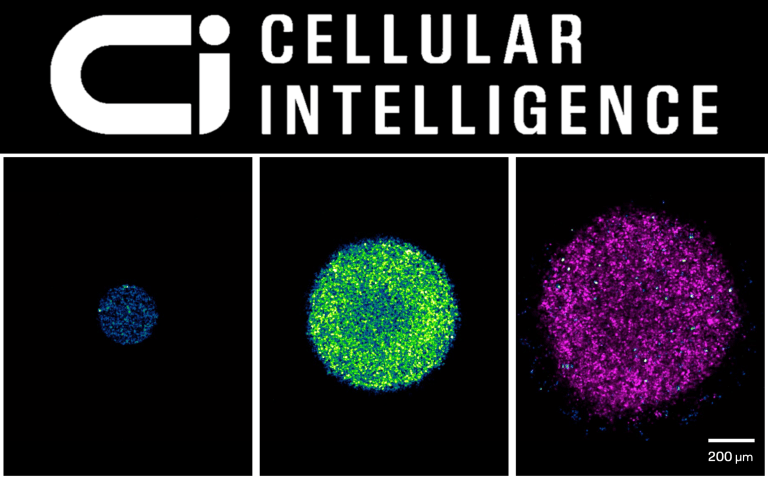
 Inside Cellular Intelligence: The Zuck-Backed AI Company That Acquired Novo’s Parkinson’s Cell Therapy