iPSC Race Heating Up: Cynata To Report Phase 3 iPSC-Derived Mesenchymal Stem Cell for Knee Osteoarthritis Soon
Building on work at the University of Wisconsin-Madison, the Australian biotech company expects to release data from its Phase 3 iPSC-derived MSC KOA & Phase 2 Graft-vs-Host-Disease trials in the coming months.

Key Points
- Cynata Therapeutics is developing a variety of induced pluripotent stem cell (iPSC)-derived mesenchymal stem cell (MSC) products
- Phase 3 knee osteoarthritis trial database is locked, data analysis continues, and readout expected in June 2026
- Phase 2 acute graft versus host disease trial is also getting close, database should be locked soon, and readouts in June or July 2026
Cynata Therapeutics, an Australian cell therapy company, is gearing up to release the results of 2 induced pluripotent stem cell-derived mesenchymal stem cell (iPSC-MSC) trials in the coming months. One for knee osteoarthritis (KOA) and another for acute graft versus host disease (aGvHD).
Stay updated on Cell & Gene news
Thanks! Your signup has been saved.
The Trials
Knee osteoarthritis:
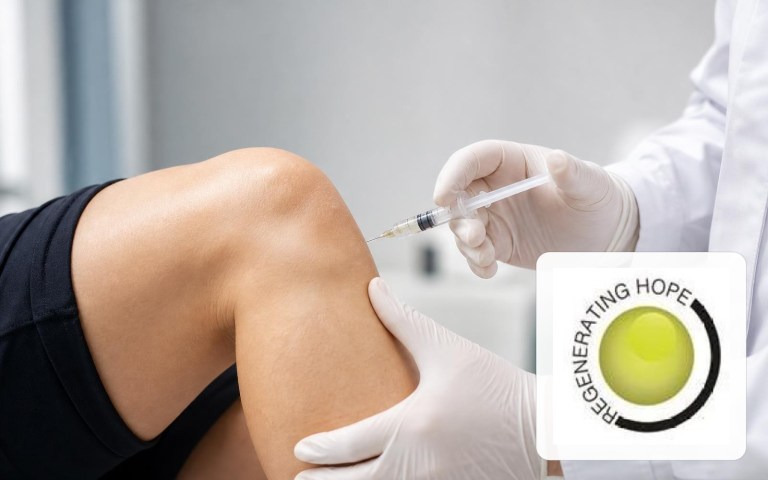
The SCUlpTOR trial is a randomized, placebo-controlled phase 3 trial of its iPSC-MSC therapy, CYP-004, for KOA. The experimental arm received 25M cultured, expanded cells injected into the knee, and the primary outcomes are both patient-acceptable symptom state (PASS, a knee pain measure) and change in cartilage thickness, assessed via 3T MRI at 24 months. Secondary outcomes are the visual analog scale, the FACES scale, activity levels, and a handful of others.
The company announced today that they’ve finished the study, the database is locked in, and the data analysis is progressing well, results expected in June 2026.
Graft Versus Host Disease:
They’re also wrapping up their aGvHD trial using CYP-001, their iPSC-MSC therapy administered via IV to help modulate the immune system. Participants were randomized to receive either CYP-001 + steroids, or placebo + steroids. The primary endpoint is Overall Response Rate at Day 28, and the database will be locked in early June 2026, with results expected in late June or early July.
There is one single FDA-approved MSC therapy, Ryoncil, which is used for pediatric GvHD. It will be interesting to see how iPSC-derived MSCs hold up to Ryoncil’s bone marrow-derived MSCs. iPSC stem cells are often derived from a small skin sample or, in this case, red blood cells, which is much less invasive than a bone marrow harvest, but they’re also very expensive to produce. However, it appears Cynata uses a single donor to provide their cell bank for these doses, which can dramatically cut costs down when compared to delivering a one-off autologous therapy. Additionally, companies are working to reduce their costs by automating their production. If they can hold a similar therapeutic effect, it could make an interesting wave.
More about the cells
CYP-004 is allogeneic (donor-derived, so off-the-shelf), manufactured on its Cymerus manufacturing platform.
Cymerus was developed from discoveries made at the University of Wisconsin-Madison (UWM), which designed a method to manufacture MSCs via a unique precursor cell called the mesenchymoangioblast (MCA). A quick PubMed search indicates that MCAs can differentiate into MSCs, pericytes (helper cells that wrap around capillary walls, and smooth muscle cells.
Dr Kilian Kelly, Cynata’s Chief Executive Officer and Managing Director, did a great interview, seen here:
Want to keep up on regenerative medicine? Get the weekly newsletter here.