NurExone and NanoPass Developing Stem Cell Exosomes for Eye and Skin Regeneration
A planned preclinical study will compare MicronJet’s suprachoroidal administration with existing methods, testing whether it can place exosome formulations consistently near the retina and optic nerve.
Key Points
- NurExone and NanoPass will evaluate MicronJet with exosome formulations for eye and skin applications.
- A planned preclinical study will compare suprachoroidal administration using MicronJet with existing delivery methods.
- Each company will fund its own activities, while NurExone will own the proof-of-concept results and the parties will jointly own newly developed intellectual property.
NurExone Biologic’s Israeli subsidiary has entered into a memorandum of understanding with NanoPass Technologies to evaluate the integration of NanoPass’s MicronJet platform with NurExone’s exosome formulations for eye and skin applications.


NurExone’s exosomes are designed as biological delivery vehicles that target damaged tissue, either independently or while carrying therapeutic cargo. MicronJet is an FDA-cleared intradermal delivery platform that uses silicon crystal pyramids based on microelectromechanical systems technology to place formulations at the administration site.
NurExone is developing ExoPTEN for optic nerve damage, including glaucoma-related indications. Preclinical studies have shown improvements in retinal function and retinal ganglion cell survival compared with controls.
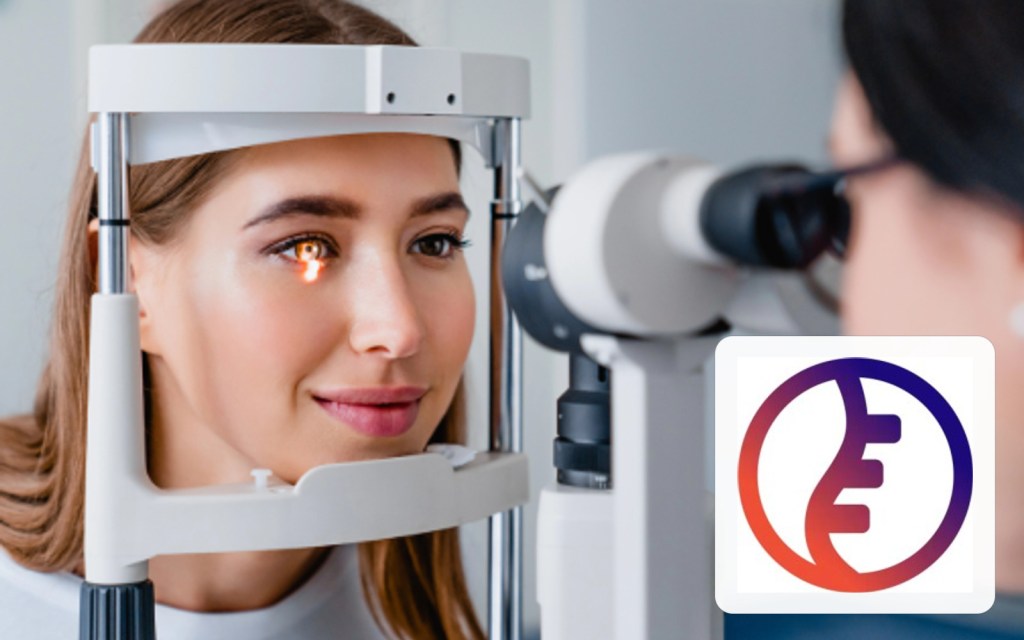
The company plans to evaluate MicronJet for suprachoroidal delivery in a preclinical study comparing it with existing administration methods. The study will assess whether the platform can provide consistent, minimally invasive administration that could support future clinical use and scale-up.
The suprachoroidal space provides a potential route for placing treatment near the retina and optic nerve while limiting exposure to other parts of the eye.
Skin and Aesthetic Applications
The companies also plan to evaluate MicronJet for intradermal delivery of NurExone’s exosome formulations in skincare and aesthetic applications.
The approach is intended to move exosomes beyond the skin’s natural barrier by placing the formulation directly into the skin rather than leaving it on the surface. NurExone’s U.S. subsidiary, Exo-Top, could use the collaboration to support development of an integrated exosome and delivery product for professional use across applications such as skin rejuvenation and other aesthetic procedures.
The global regenerative aesthetics market is projected to grow from approximately $17.7 billion in 2026 to approximately $28.9 billion by 2030, according to The Business Research Company’s Regenerative Aesthetics Global Market Report 2026.
Collaboration Terms
Under the memorandum of understanding, the companies will evaluate MicronJet with NurExone’s mesenchymal stem cell (MSC)-derived exosome formulations. Each party will fund its own activities. NurExone will own the preclinical proof-of-concept results, while newly developed intellectual property will be jointly owned.
“Our exosome platform is designed to work across multiple indications, and NanoPass gives us an opportunity to test an additional administration approach where localized delivery may be especially useful,” said Dr. Lior Shaltiel, Chief Executive Officer of NurExone. “For eye and skin applications, we will evaluate whether the combination can create a practical, consistent and easy-to-use product format for future clinical and commercial use. ExoPTEN’s acute spinal cord injury program is advancing through a separate minimally invasive administration approach.”
“Exosomes are emerging as an important new class of biological products, and we believe they represent a significant new opportunity for our delivery platform,” said Daniel Levitats, Chief Executive Officer of NanoPass Technologies. “NurExone gives us the opportunity to evaluate MicronJet™ across both therapeutic and commercial exosome applications and potentially establish a new area of use for a technology already supported by extensive clinical experience.”
The memorandum does not obligate either party to enter into a definitive commercial agreement. Either party may terminate it without cause by providing 30 days’ written notice. Additional information is available on NurExone’s website and its SEDAR+ profile.
Want to keep up on regenerative medicine? Get the weekly newsletter here.