Case Series: Wharton’s Jelly for Neuropathy from Tarsal Tunnel
Link to study, found in the journal named Reports, dated 2024. The problem? Stay updated on Orthobiologics news Email address Subscribe Yes, I agree to receive the newsletter and the Privacy Policy. Thanks! Your signup has been saved. Symptoms include The treatment studied?Related storiesUmbilical Cord Mesenchymal Stem Cell Injections Lower Pain Scores More Than Hyaluronate […]
Link to study, found in the journal named Reports, dated 2024.
The problem?
Stay updated on Orthobiologics news
Thanks! Your signup has been saved.
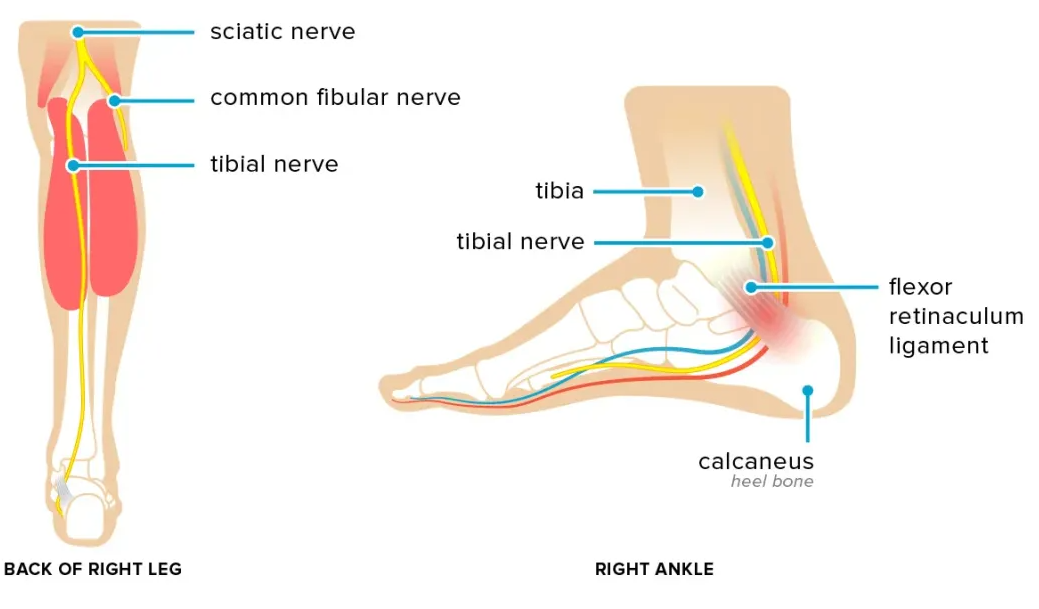
- Neuropathy of the lower leg caused by tarsal tunnel syndrome
Symptoms include
- Sharp shooting pain
- Pins/needles
- Electric shock/burning sensations
The treatment studied?
- Wharton’s Jelly injected into the foot/leg
Patients Studied?
8 patients with “tarsal tunnel-related defects”
Author Info?
Led by Dr. Ronald Bruton, a family physician who appears to work at a small clinic named Advanced Medicine of the Ozarks (his LinkedIn)
Limitations?
- “Regenative Labs was involved in the design of the study, data analysis, and writing. Regenative Labs influenced the decision to publish.” meaning it’s partially or mostly a self-study by Regenative Labs, the tissue allograft manufacturer. A few of the authors listed are Regenative Labs employees.
- Ronald Bruton appears to not work for Regenative Labs, but is associated with the clinic Advanced Medicine of the Ozarks
- Tiny cohort (only 8 patients), and nonblinded.
Study Breakdown:
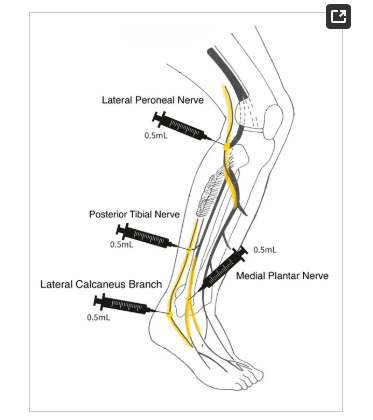
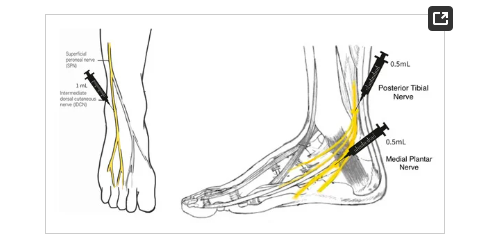
Patients were injected with the Regenative Labs Wharton’s Jelly tissue allograft in varying sites along the foot/leg, as seen below:
Results:


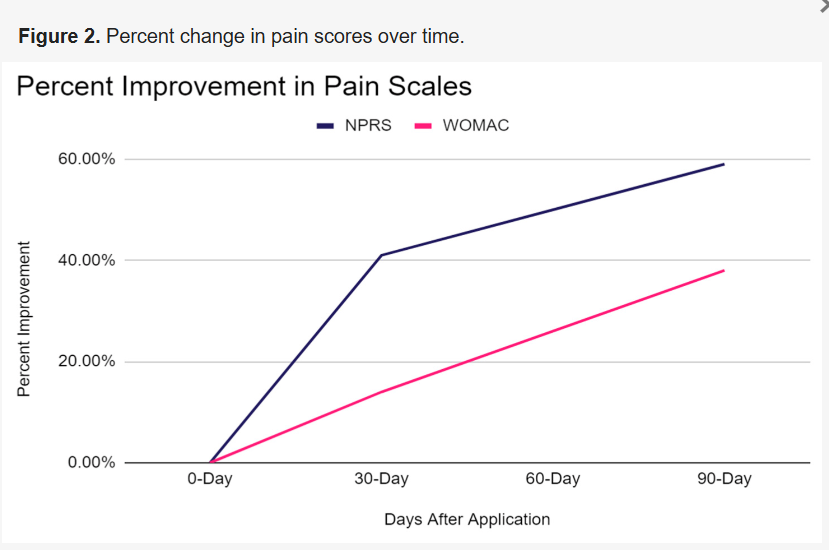
The patients were measured at 30 and 90 days following the procedure. For the below chart, NPRS and WOMAC are pain scales.
NPRS – (Numeric Pain Rating Scale) self-reported pain
WOMAC – (Western Ontario and McMaster Universities Arthritis Index), self-reported pain, stiffness, and physical function typically for people with osteoarthritis
In conclusion:
The authors conclude with “The utilization of WJ allografts in supplementing tissue defects associated with tarsal tunnel syndrome leads to improvement in patient pain and function. WJ can replace the damaged ECM and connective layers of the affected nerves and cushion the nerve from exterior soft tissue damage, which leads to improved nerve sensation, ultimately decreasing neuropathy associated with tarsal tunnel syndrome.”
The study is very limited in my opinion, but a positive sign and hopefully they apply this to other conditions with larger populations, longer follow-up, more objective data (before/after EMG/NCS data would be killer), etc.
Before taking on any regenerative therapy, especially those considered unproven and/or experimental, please talk with your doctor(s). This isn’t medical advice, simply an interpretation of the research.
Similar stories
 Inside Cellular Intelligence: The Zuck-Backed AI Company That Acquired Novo’s Parkinson’s Cell Therapy
 New Trial – Phase II Umbilical-Cord Stem Cells for Amyotrophic Lateral Sclerosis
 New Trial – Intranasal Stem Cells for Perinatal Brain Injury and Cerebral Palsy
 Aspen Neuroscience Publishes Preclinical Data on Parkinson’s iPSC-Derived Cell Therapy
Editor’s Picks
 Century Therapeutics Reports Sustained Glucose Control With iPSC-Derived Islets in Diabetic Mice, IND Soon
 Webinar: Scaling iPSC Therapies Without Scaling VariabilityOn-Demand
 Novadip Secures €10.4M for Pivotal Phase 3 Bone Repair Cell Therapy Trial
 Ernexa Therapeutics Reports Positive Preclinical iPSC-Derived Mesenchymal Stem Cell Study, Advances Oncology Strategy