Cellino launches stem cell “Foundry” at Mass General
Cellino announced it has launched what they report as the world’s first hospital-based autologous induced pluripotent stem cell (iPSC) plant at Mass General Brigham’s Gene and Cell Therapy Institute (GCTI). They are calling it the “Foundry”. iPSCs, in short, are adult cells that have been reprogrammed into stem cells, which can turn into any tissue […]

Cellino announced it has launched what they report as the world’s first hospital-based autologous induced pluripotent stem cell (iPSC) plant at Mass General Brigham’s Gene and Cell Therapy Institute (GCTI). They are calling it the “Foundry”.
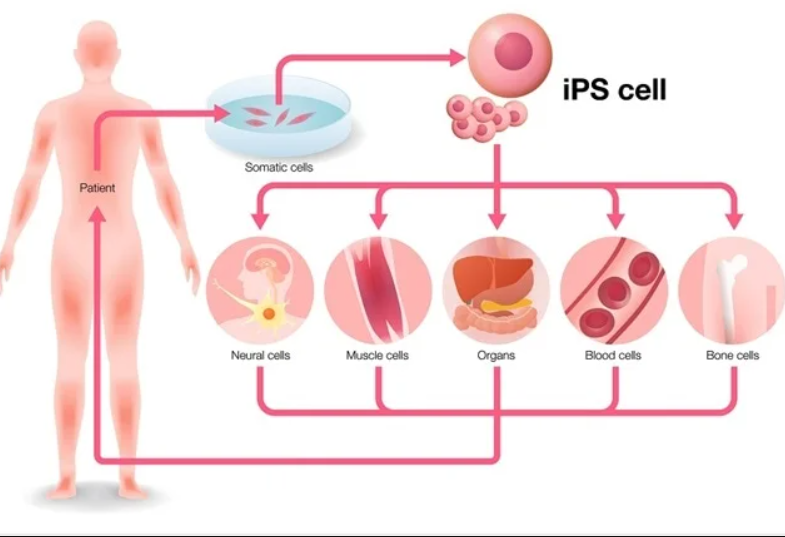
iPSCs, in short, are adult cells that have been reprogrammed into stem cells, which can turn into any tissue in the body. The discovery won the Nobel Prize in the early 2000s, and OpenAI created a research model to accelerate their discovery.
Stay Ahead in Regenerative Medicine
Thanks! Please confirm your email using the link we sent from Jeremy@RegenReport.com (check spam too please).
The Foundry is described as a fully integrated, on-site facility that manufactures clinical-grade iPSCs and derivative therapies.
The overall goal seems to be to establish a nationwide network of decentralized biomanufacturing hubs designed to deliver personalized cell and tissue therapies directly at the point of care. Cellino says that at the core of the initiative is the Next-Generation Biomanufacturing Ultra-Scalable Approach (NEBULA) project, a “closed cassette advanced biomanufacturing system that is autonomous and deployable at the point of care, ensuring robust, reproducible, and contamination-free production.”

“Centralized production of cell and gene therapies is not only expensive but also limits scalability,” explained Nathan Yozwiak, Head of Research at Mass General Brigham GCTI. “Decentralizing manufacturing through autonomous, on-site facilities may significantly cut costs and shorten the timeline from early clinical research to widespread commercial application.”
The Foundry’s first clinical application focuses on a novel Parkinson’s therapy using patient-specific iPSCs.
Neurosurgeon Jeffrey Schweitzer, M.D., Ph.D., the George A. Lopez, MD Endowed Chair in Neurosurgery, is leading a Phase 1 trial at Mass General Brigham. “Using a patient’s own cells as a starting point has clear advantages such as minimizing rejection risks, but making personalized cell therapy available to the millions who need it is a daunting task,” Dr. Schweitzer noted.
“Our work with GCTI represents what the company views as a major leap in making regenerative medicine more accessible and efficient,” said Nabiha Saklayen, Ph.D., CEO & Co-Founder of Cellino. “By integrating advanced AI-driven bioprocessing into hospital settings, we’re transforming traditional, centralized manufacturing into a faster, cost-effective, and patient-centric model.”
Similar stories
 Encellin and Breakthrough T1D Planning Phase 1 of Immune-Protected Cell Therapy for Type 1 Diabetes
 Webinar: Scaling iPSC Therapies Without Scaling Variability
 Aspen Neuroscience Publishes Preclinical Data on Parkinson’s iPSC-Derived Cell Therapy
 Made Scientific Acquires Resilience’s 85K-Square-Foot Cell Therapy Facility
Editor’s Picks
 Century Therapeutics Reports Sustained Glucose Control With iPSC-Derived Islets in Diabetic Mice, IND Soon
 Umbilical Cord Mesenchymal Stem Cell Injections Lower Pain Scores More Than Hyaluronate in 50-Patient Severe Knee Osteoarthritis Trial
 Stempeutics Nabs US Patent for Osteoarthritis Treatment Combining Bone Marrow Stem Cells and Hyaluronic Acid
 Novadip Secures €10.4M for Pivotal Phase 3 Bone Repair Cell Therapy Trial