NASA’s New Mission will Study Stem Cell Expansion in Space
The Crew-11 mission launched on Friday, where they will support studies in stem cell growth, organ tissue, bacteriophage therapy, and advanced computing.
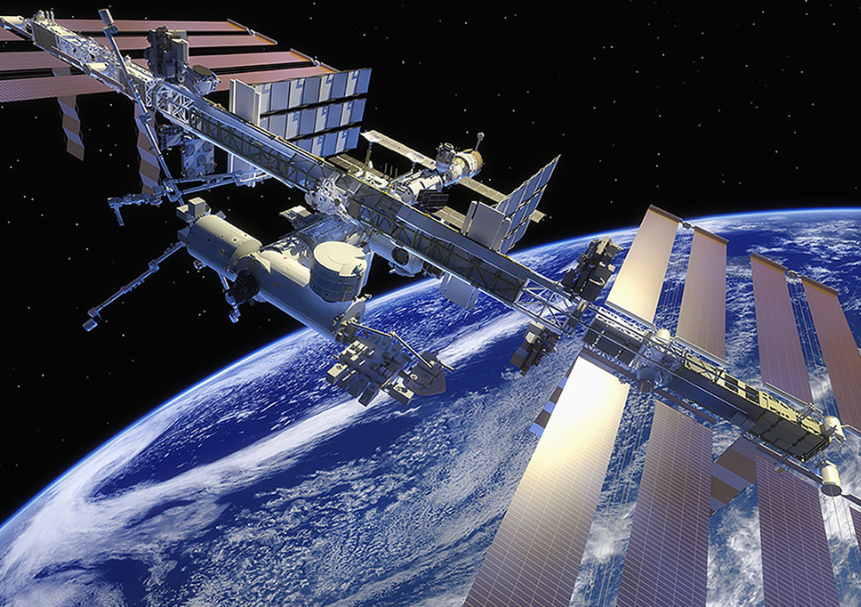
Four astronauts launched to the International Space Station (ISS) on Friday, aiming to do more regenerative medicine research in space.
Why study stem cells in space?
Microgravity provides an environment where stem cells can expand in 3D, similar to in vivo growth, whereas in vitro expansion (at least here on Earth) is a 2D environment, as the cells are being pulled down towards the plate by gravity. Researchers have found that this environment provides many advantages, including higher yields (Nature article from 2024 on their findings).
Stay updated on Cell & Gene news
Thanks! Your signup has been saved.

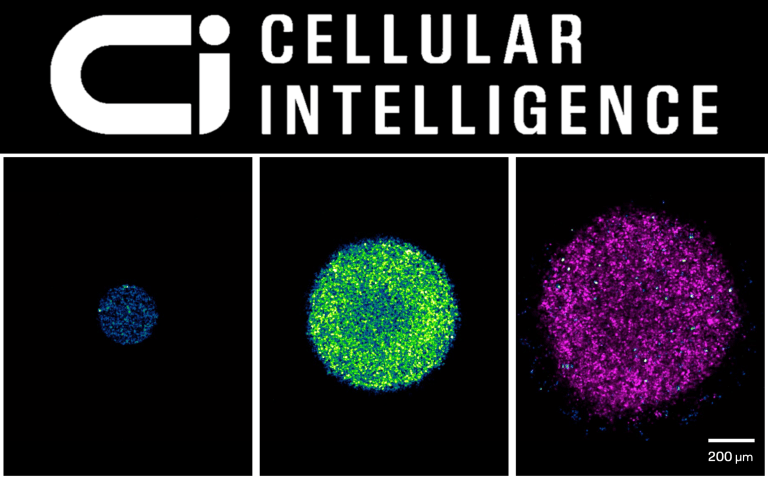
Here’s an actual image of heart cells grown in this 3D microenvironment:

(Image credit – Stanford)
Additionally, understanding stem cell behavior in space could help teach us how to protect astronaut health during long-duration missions, since stem cells play a crucial role in tissue repair and regeneration (NASA). This could be useful for conditions related to muscle wasting, radiation, or other mission-critical issues.
This research also gives us down-to-earth folks new knowledge in disease modeling and tissue engineering (ISS National Lab).
Here’s what they’re going to study (at least the projects related to regenerative medicine):
- Stem cell production in microgravity: Research teams at Cedars-Sinai Medical Center and the University of Colorado will examine whether stem cells grow and mature more effectively in space, which could lead to larger quantities of cells for therapies treating heart disease, neurodegenerative disorders, and other conditions.
- Engineered liver tissue study: The Wake Forest Institute for Regenerative Medicine will study engineered liver tissue containing blood vessels in microgravity. This project, which was part of NASA’s Vascular Tissue Challenge, aims to inform the development of new regenerative therapies and could ultimately support the production of human tissues in space for organ transplantation.
- Student-led research on bacteriophage therapy: Isabelle Chuang and Julia Gross, winners of the 2024 Genes in Space™ competition, plan to test bacteriophages (viruses that attack bacteria) as potential therapies to combat microbial infections in space. Genes in Space is a student competition founded by Boeing and miniPCR bio.
Want to keep up on regenerative medicine? Get the weekly newsletter here.
Similar stories
 Made Scientific Selected to Manufacture Columbia University’s NOVAKnee, a 3D Printed Knee Replacement Made of Stem Cells and Scaffolds
 BioStem Technologies Receives 5 Patents for Placental Allografts
 Kangstem Publishes Promising Phase 1 Results for Cord-Blood Derived Stem Cell Therapy in Knee Osteoarthritis, Post-MRI Data Suggest Potential Cartilage Regeneration
 Royal Biologics and Jellagen Bringing Jellyfish-Derived Collagen Type Zero to the US Regenerative Medicine Market
Editor’s Picks
 Century Therapeutics Reports Sustained Glucose Control With iPSC-Derived Islets in Diabetic Mice, IND Soon
 Umbilical Cord Mesenchymal Stem Cell Injections Lower Pain Scores More Than Hyaluronate in 50-Patient Severe Knee Osteoarthritis Trial
 Stempeutics Nabs US Patent for Osteoarthritis Treatment Combining Bone Marrow Stem Cells and Hyaluronic Acid
 Inside Cellular Intelligence: The Zuck-Backed AI Company That Acquired Novo’s Parkinson’s Cell Therapy