Celularity Reports Phase 2 Trial Results on Placenta-Derived Cell Therapy for Diabetic Foot Ulcers with Peripheral Artery Disease
The Phase 2 study showed good results for placenta-derived cell therapy for diabetic foot ulcers complicated by PAD.
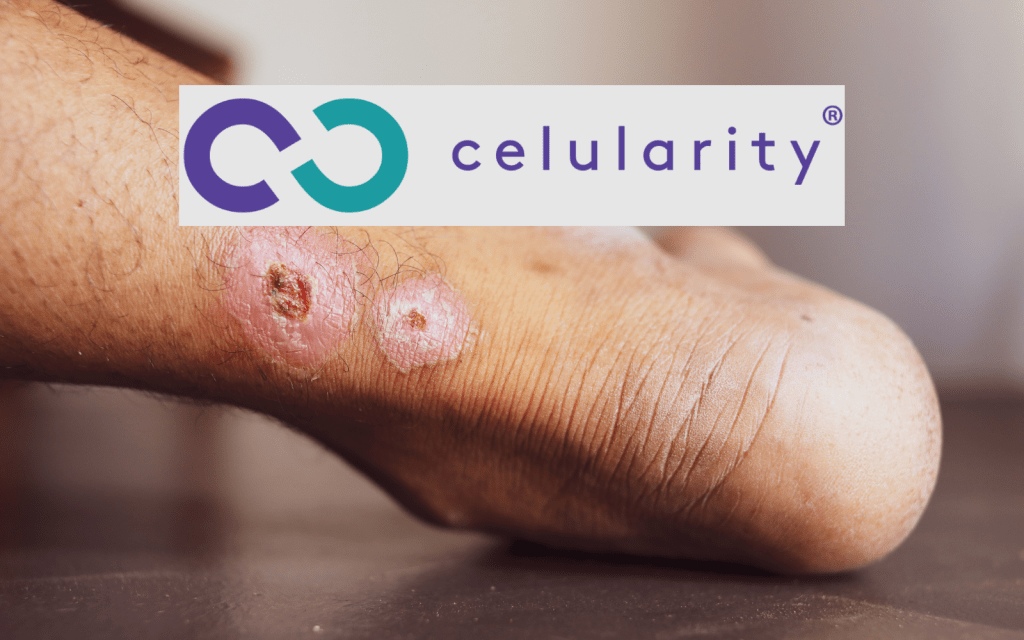
Celularity has announced the publication of a Phase 2 study on PDA-002, a placenta-derived cell therapy, for diabetic foot ulcers (DFUs) complicated by peripheral artery disease (PAD). The study appears in the International Wound Journal and reports safety and efficacy for this patient group.
Each year, about two million people in the United States are affected by DFUs. Nearly half of these individuals also have PAD, which complicates treatment and increases healthcare costs. Currently, there are no FDA-approved therapies specifically indicated for DFU with PAD. Standard therapies often fail due to compromised blood flow (ischemia), chronic inflammation, altered immune response, and reduced tissue repair associated with PAD.
The multicenter trial enrolled 159 adults with chronic diabetic foot ulcers (with or without PAD) across 35 U.S. sites. Participants received two intramuscular doses of either PDA-002 at one of three dose levels (3 × 10⁶, 10 × 10⁶, or 30 × 10⁶ cells), or placebo. The primary endpoint was complete wound closure within three months that remained intact for at least four additional weeks—reportedly a more stringent definition than typically used by the FDA.

Key findings from patients with PAD included:
- The lowest dose of PDA-002 (3 × 10⁶ cells) resulted in complete ulcer healing in 38.5% of cases versus 22.6% in the placebo group.
- PDA-002 groups showed faster and more sustained healing compared to placebo.
- Treated patients experienced fewer instances of new gangrene and foot infections.
- No serious side effects related to treatment were reported; favorable safety persisted through two years of follow-up.
Regulatory context: As of July 1, 2025 under Florida statute (§458.3245), PDA-002 qualifies as a stem cell therapy authorized for use by licensed Florida physicians in wound care, orthopedics, and pain management—even though it is not yet approved by the U.S. Food & Drug Administration.
Robert J. Hariri, M.D., Ph.D., Celularity’s Chairman and CEO said: “The publication of our PDA-002 Phase 2 results in the International Wound Journal is a significant milestone for Celularity, and importantly, for patients battling diabetic foot ulcers complicated by peripheral artery disease, which is a patient population with a critical unmet medical need and limited treatment options… Our data show that our investigational therapy… can drive meaningful wound closure rates… reduce serious complications… [and] do so with a favorable safety profile… We believe these clinical results support additional development in clinical indications where underlying microvascular disease is a contributing factor.”
Dr. Hariri also commented: “Celularity is actively assessing opportunities to apply these findings in jurisdictions such as Florida… By unleashing promising stem cell therapies like PDA-002, Florida has given physicians a potentially important new tool for the treatment of diabetic foot ulcers…”
About PDA-002:
PDA-002 is derived from postpartum placenta cells that exhibit mesenchymal stromal-like properties—meaning they possess angiogenic (blood vessel-forming), immunomodulatory (immune system-modulating), and tissue-repair capabilities intended to aid wound healing where other therapies have failed.
Want to keep up on regenerative medicine? Get the weekly newsletter here.