Stem Cell and Spinal Stimulation Trial for Chronic Spinal Cord Injury
The study will test whether combining umbilical cord stem cells and spinal cord stimulation can safely help people with chronic spinal cord injury.
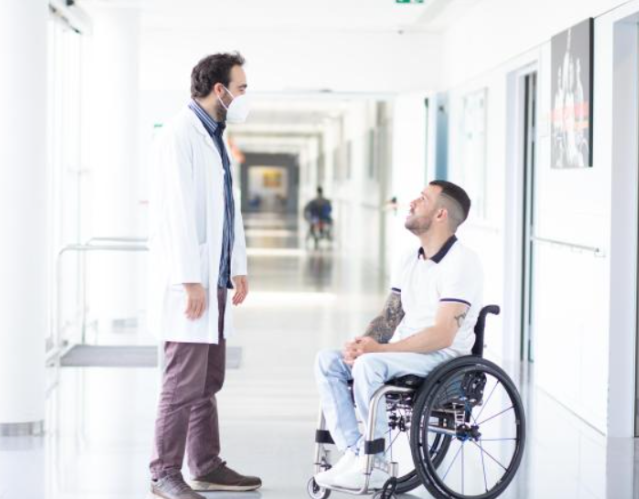
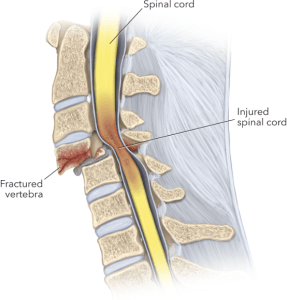


Image Credit – NeurosurgicalAtlas.com
Spinal cord injury, especially in its chronic stages, often leads to permanent motor, sensory, and autonomic dysfunction, with limited options for meaningful neurological recovery. The investigational approach aims to address this therapeutic gap by leveraging both regenerative and neuromodulation strategies. In this single-arm, open-label study, ten participants aged 16–70 years with traumatic cervical or thoracic SCI (ASIA Impairment Scale grades A–C), 1–5 years post-injury, will be enrolled. Each participant will receive:
- Three doses of allogeneic WJ-MSCs (30 million ±30% viable cells per dose), administered intrathecally at the L3-L4 level at 6-week intervals.
- Concurrent tSCS-assisted neurorehabilitation for 18 weeks, consisting of non-invasive electrical stimulation in combination with intensive standardised rehabilitation protocols.
All participants will be followed for 12 months after treatment, with additional safety monitoring annually for up to two years. The study’s primary objectives are to evaluate:


- The incidence of treatment-emergent adverse events (TEAEs), including neurological worsening, cerebrospinal fluid abnormalities, and procedure-related complications.
- The protocol adherence rate for both cell administration and tSCS sessions, to determine feasibility.
Secondary objectives will assess preliminary signals of efficacy, including changes from baseline to 12 months in:
- ASIA Impairment Scale motor and sensory (light touch and pinprick) scores
- Autonomic function (using ISAFSCI criteria for bladder, bowel, and cardiovascular domains)
- Neurophysiological markers: Motor and somatosensory evoked potential (MEP and SSEP) amplitude and latency
The researchers note this is the first clinical study evaluating this specific combination of WJ-MSCs and tSCS in chronic SCI. The WJ-MSCs are sourced from umbilical cord tissue, cryopreserved, and delivered intrathecally; tSCS is applied non-invasively to modulate spinal circuits and potentially enhance neuroplasticity. Cerebrospinal fluid analysis will be used throughout to monitor for immunological responses to the stem cell product.
According to the study team, the rationale for combining these approaches lies in preclinical and early clinical evidence that both stem cell therapy and electrical stimulation may independently support neural repair or function. However, synergistic effects in chronic SCI remain largely unexplored. This pilot trial is set to start recruiting in September 2025, with primary outcome data anticipated by March 2026 and extended follow-up running through the end of 2028.
Want to keep up on regenerative medicine trials? Get the weekly newsletter here.