
New Trial – Allogeneic Bone Marrow Mesenchymal Stem Cell Injection for Sarcopenia
The phase 1/2 trial plans to enroll 30 participants to assess CG-BM1’s safety and tolerability, with two doses administered one month apart.

The phase 1/2 trial plans to enroll 30 participants to assess CG-BM1’s safety and tolerability, with two doses administered one month apart.

The randomized, double-blind study will enroll about 150 patients to receive intravenous ALT001 at one of two doses or placebo, with functional change assessed at 24 weeks.
The UMC Utrecht-sponsored, randomized placebo-controlled study plans to enroll 162 infants with MRI-confirmed hypoxic-ischemic brain injury and assess motor development at 24 months.
Regend Therapeutics plans a Phase 3, randomized, blinded, placebo-controlled study enrolling 102 people with COPD and emphysema to assess lung diffusion capacity at 52 weeks.

This Phase I, single-arm study plans to enroll 20 adults with steroid-refractory moderate or severe disease to receive up to three intravenous infusions alongside standard therapy.
Tongji Hospital is recruiting 15 participants for a single-center, dose-escalation Phase 1 study primarily assessing adverse events through 48 weeks after treatment.
Sad day for the industry, here's a summary of the CEO/Executive Chairman's readouts of the trials.

The ASPIRO trial of sasineprocel is progressing; fifteen patients have been dosed with the commercial-ready formulation of the autologous cell therapy.
The Chinese company also received an IND in China a few weeks ago. Supported by good preclinical data, they'll advance clinical trials in both countries soon.

The embryonic-derived cell therapy is implanted directly into the brain, and this early trial hopes to establish safety and baseline efficacy.
This marks the first stem cell therapy for KOA to reach Phase III in China. The race is heating up...

The partnership hopes to speed up the scalable development of SC451 for type 1 diabetes by standardizing treatment protocols, improving clinical delivery and post-care, and preparing the therapy for broader use across care sites.
Following their successful Phase 1, they've received clearance to begin Phase 2, where they'll assess whether it can reduce transfusion needs by calming the immune attack on bone marrow.

The Phase 1 cord blood-derived stem cell therapy for sacroiliac joint-related lower back pain showed an encouraging early safety profile and symptom improvement, supporting plans to begin Phase 2 later this year.

The trial demonstrated that Cartistem can both relieve symptoms and regenerate cartilage, and the company is advancing manufacturing readiness for its first overseas commercialization move.

Gallant said its pilot study found that intravenous stem cell therapy significantly improved pain and quality of life in cats with osteoarthritis versus placebo, supporting a faster regulatory route as the company pursues a disease-modifying treatment for an underserved condition.

The Phase II study will test XellSmart’s iPSC-derived off-the-shelf cell therapy in 30 Parkinson’s patients after Phase I showed meaningful motor and quality-of-life gains with no transplant-related adverse events.
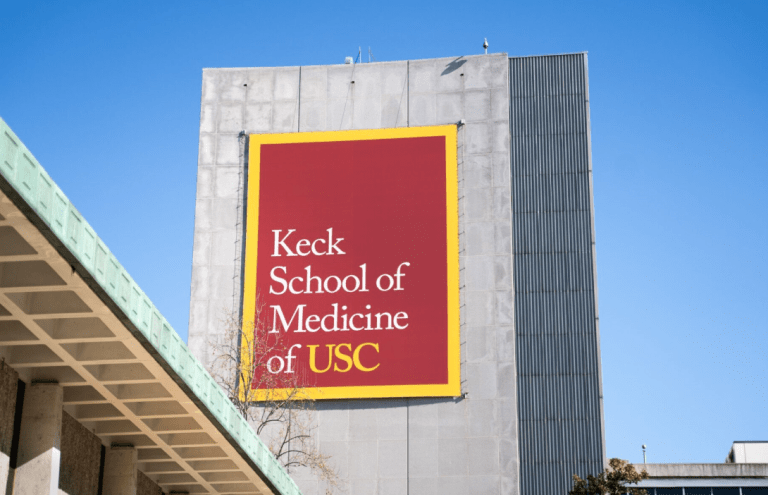
Keck Medicine of USC is participating in a small Phase 1 clinical trial evaluating the safety and early effectiveness of implanting induced pluripotent stem cell-derived dopamine-producing cells into the brain for Parkinson’s disease.

Aspen’s trial advances with a commercial-ready, patient-derived cell therapy aiming to improve Parkinson’s outcomes and streamline clinical delivery.

The exPDite-2 trial will evaluate the safety and effectiveness of donor-derived stem cell therapy in Parkinson’s disease patients.

The trial will inject autologous stem cells directly into the brain to bypass the blood-brain-barrier.
A new clinical trial in Texas will evaluate stem cell therapy’s potential to improve outcomes for adults with chronic TBI.
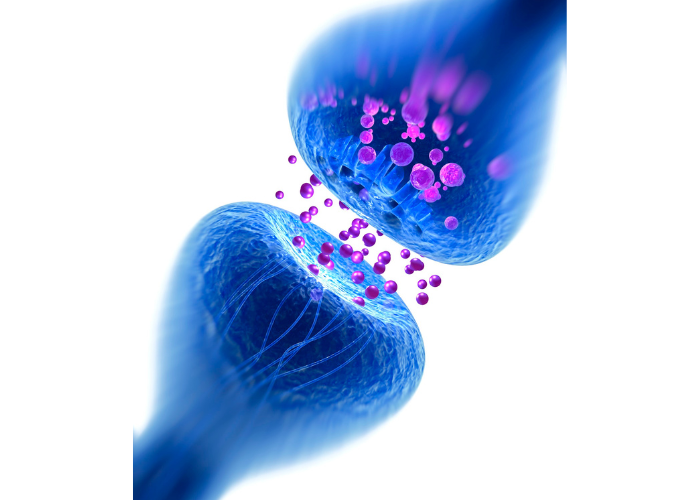
Researchers will test whether nasal drops containing stem cell-derived vesicles can safely benefit people with a range of neurodegenerative diseases.
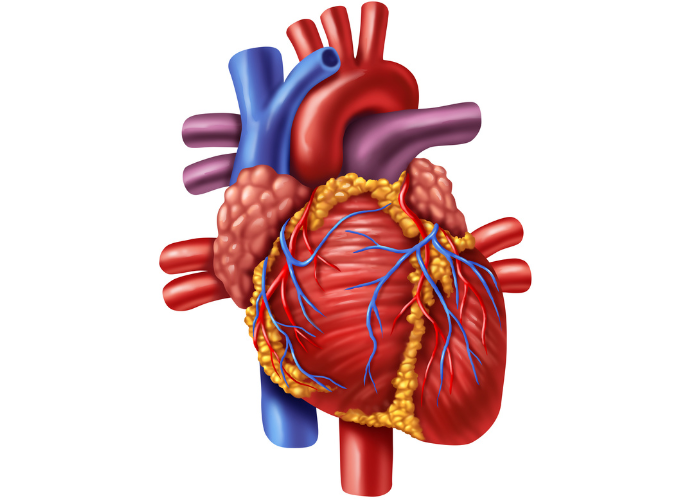
Researchers in China are testing whether exosomes can help prevent or treat organ failure after aortic dissection surgery.

Hope Biosciences will study whether stem cell therapy can reduce inflammation or slow Alzheimer’s progression in a new clinical trial.