
Boston Children’s Hospital Launches Consortium to Develop Bioengineered Heart Tissues for Children
Researchers plan to test the engineered tissues first in the laboratory and then in large animals, and eventually in humans.

Researchers plan to test the engineered tissues first in the laboratory and then in large animals, and eventually in humans.
The planned trial is designed for patients whose multiple myeloma has returned or resisted treatment after at least three prior lines of therapy.
In rats, islets delivered through the liver’s portal vein had taken hold one month later, supporting the delivery route planned for clinical testing.

The company is developing a purpose-built laboratory platform to collect large-scale training data on how cells change over time and under treatment.

Developers will have access to immune profiling and detailed donor assessments, intended to help them evaluate the starting material used to make donor-derived cell therapies.

The phase 1/2 trial plans to enroll 30 participants to assess CG-BM1’s safety and tolerability, with two doses administered one month apart.

Participants received either four stem cell injections two weeks apart or five weekly hyaluronate injections, with outcomes tracked for 12 months.
The Indian biotech company previously published a Phase 3 RCT comparing its therapy to placebo in 146 KOA patients.
The company hopes to nab the first approval in the world for this indication.

YiPSCELL's lead candidate delivers three-dimensional cartilage organoids derived from induced pluripotent stem cells through an injection into the joint cavity.
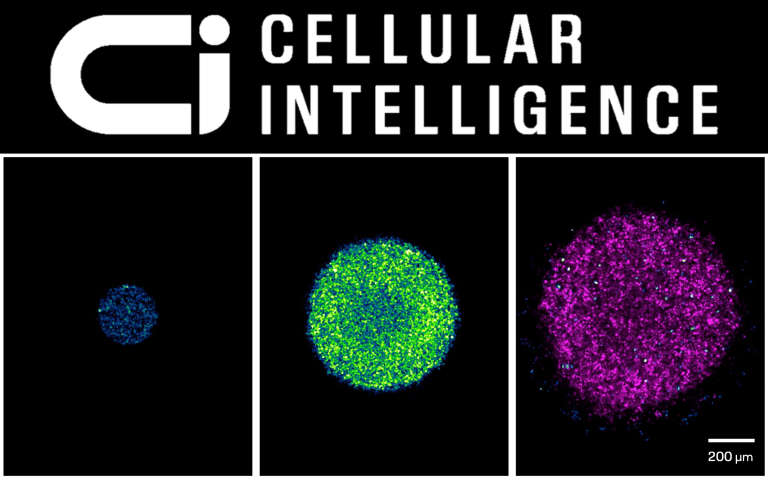
Cellular Intelligence, backed by the Chan Zuckerberg Initiative, is building an AI model to predict how cells respond to signals over time, supported by a capsule platform that enables exponential experimentation. Here’s our interview with the founder on how it works, plans to advance Novo’s…

The experimental product isolates and purifies factors released by lab-grown iPS-derived cells, with foundational studies examining age-related changes in tissues including skin and hair.

The randomized, double-blind study will enroll about 150 patients to receive intravenous ALT001 at one of two doses or placebo, with functional change assessed at 24 weeks.
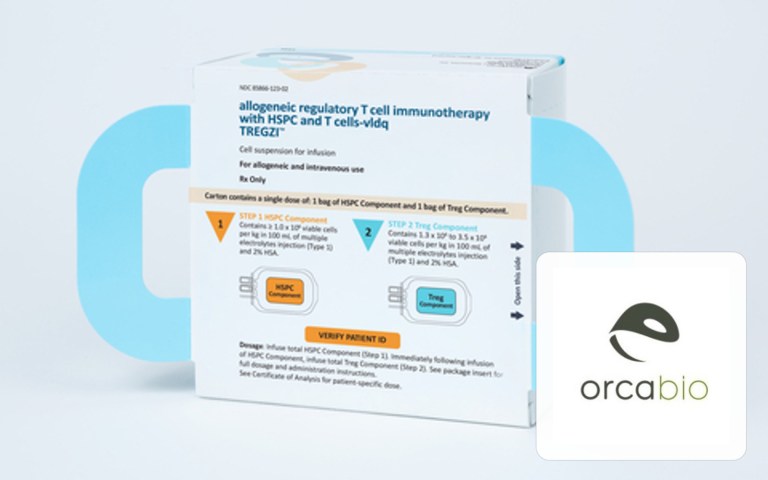
The retrospective analysis compared 76 phase 1b participants with 360 historical registry patients selected using similar age, diagnosis, conditioning and donor-match criteria.
The Canadian study will test whether the retrievable implant safely supports donor islets while preventing immune cells from reaching them.

FUJIFILM Cellular Dynamics will present a practical framework for standardizing, automating and scaling iPSC-derived therapy manufacturing.

A planned preclinical study will compare MicronJet’s suprachoroidal administration with existing methods, testing whether it can place exosome formulations consistently near the retina and optic nerve.
The UMC Utrecht-sponsored, randomized placebo-controlled study plans to enroll 162 infants with MRI-confirmed hypoxic-ischemic brain injury and assess motor development at 24 months.
The C$1 million grant will support development of an oral medicine designed to restore blood-forming stem cells and rebuild the immune system.

Instead of waiting for a complete submission, the program will let selected sponsor–research institution pairs send IND sections for rolling pre-IND review to spot problems earlier.

The blood-derived, off-the-shelf cells are administered directly to the lungs through a standard nebulizer, with first U.S. patient dosing targeted for late 2026.

Researchers used whole-genome sequencing and a machine-learning RNA assay to assess dopamine neuron precursors made from patients’ skin cells for identity and consistency.
The initial program will use qualified perinatal starting materials and the licensed Dezawa Method, with product-specific testing and release criteria.
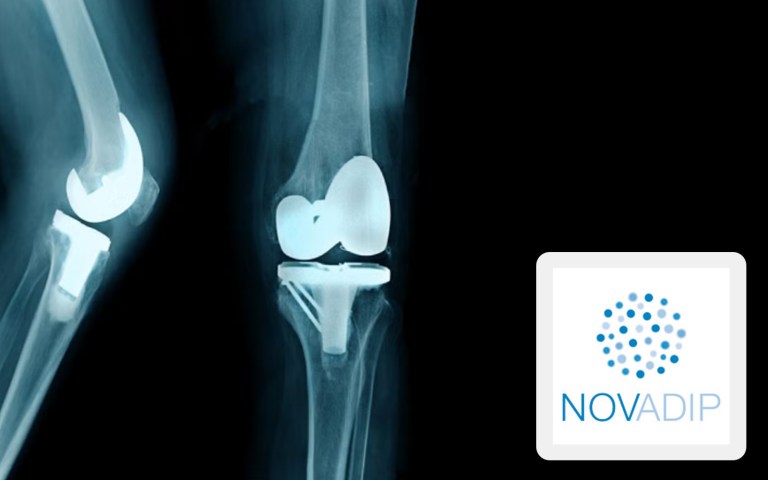
The ongoing US and EU study is testing NVD003, an autologous cell-based therapy, in patients with a rare, difficult-to-treat pediatric bone condition.
Regend Therapeutics plans a Phase 3, randomized, blinded, placebo-controlled study enrolling 102 people with COPD and emphysema to assess lung diffusion capacity at 52 weeks.